Next-generation business messaging
SMS grew up. Meet RCS.
Branded cards, swipeable carousels and tap-to-action buttons, delivered into the messaging app already on the phone — with your logo and verified name on every send.
Verified brand identity · SMS fallback included · 600M+ messages delivered

What it is
It arrives like a text, but behaves like an app.
RCS — Rich Communication Services — is the carrier-level upgrade to SMS. It lands in the same native inbox your customers already check, with none of the install friction of a messaging app, and none of the 160-character flatness of a text.
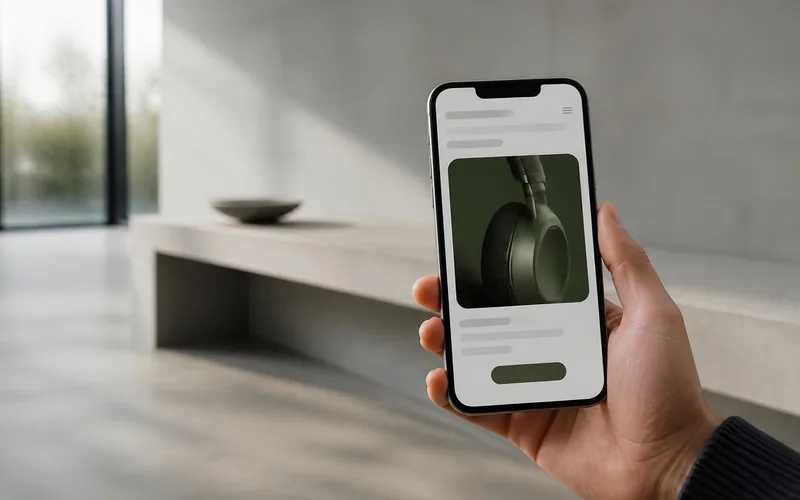
Pictures, video and carousels
HD images, video, GIFs and audio up to 10 MB, plus swipeable multi-card carousels with a price and a button on each card. A catalogue inside a text message.
Your name, not a random number
A Google-verified brand profile means your logo, your company name and your brand colour sit at the top of the thread — so customers know it is you before they read a word.
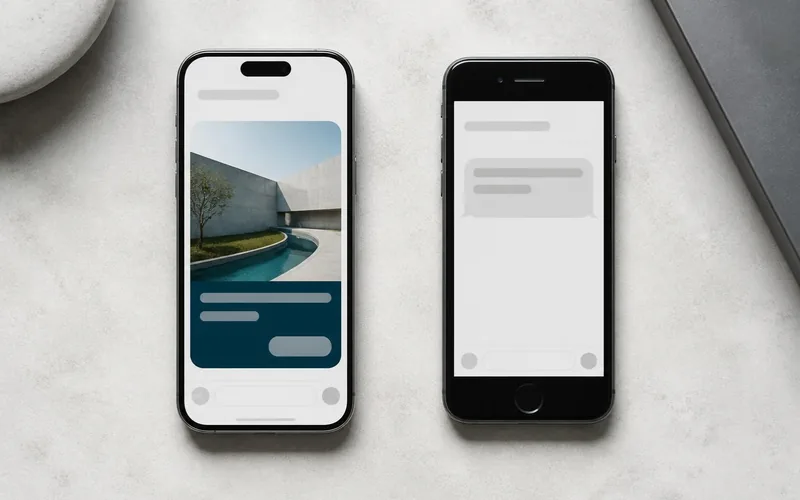
Automatic SMS fallback
If a handset cannot receive RCS, the message is re-sent as a plain SMS at no extra charge. You keep full reach without running two campaigns.
RCS vs SMS
What you gain over a plain text.
SMS still has its place — it reaches every handset ever made. The question is what each message is able to do once it arrives.
Platform features
What you can build with it.
Rich cards and swipeable carousels
A single rich card pairs an image with a headline, body copy and up to four action buttons. A carousel strings several of those together, so a customer can browse a shortlist without leaving the message thread.
- Images, video, GIFs and audio up to 10 MB
- Tap-to-action buttons: Buy Now, Track Order, Book Appointment, Call, Locate
- Quick-reply chips for one-tap answers
- Per-card detail and CTAs inside a carousel
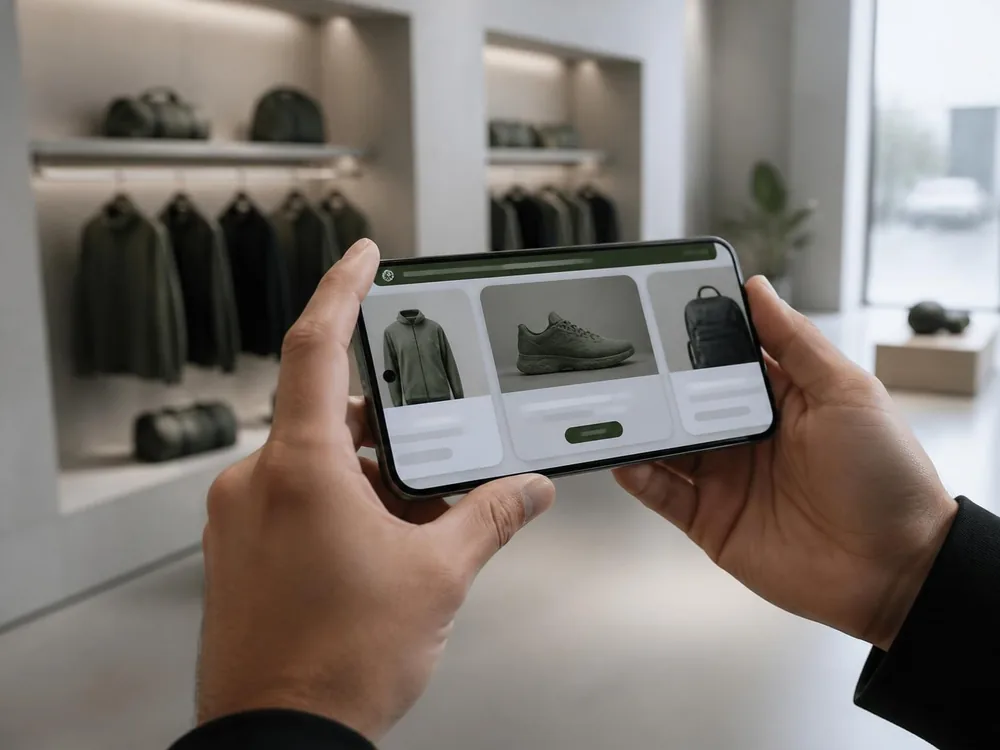
Delivery you can see, and only pay for
Every message reports back: delivered, read, or failed. Failed messages are not billed, and neither is the SMS fallback that replaces them — so the number on your invoice is the number of messages that actually reached someone.
- Real-time delivery and read receipts
- Engagement analytics down to which button was tapped
- REST API with webhooks and delivery callbacks
- Scheduling, or send straight from the dashboard with no integration at all

Reach
Who actually receives an RCS message.
RCS runs through Google Messages, which covers roughly 95% of Android handsets in India. Apple added RCS support in iOS 18, so iPhone reach is growing but is not yet universal. Anyone who cannot receive an RCS message gets the SMS fallback instead, at no extra cost — so your campaign still reaches everybody, just not everybody in rich format.
If your audience is heavily iPhone, WhatsApp Business API is usually the stronger rich channel. Most businesses run both and let the fallback logic decide per contact.
How it works
Live on RCS in five steps.
Google's brand verification is the one step that depends on an outside party rather than on us, so we start it first.
What actually happens
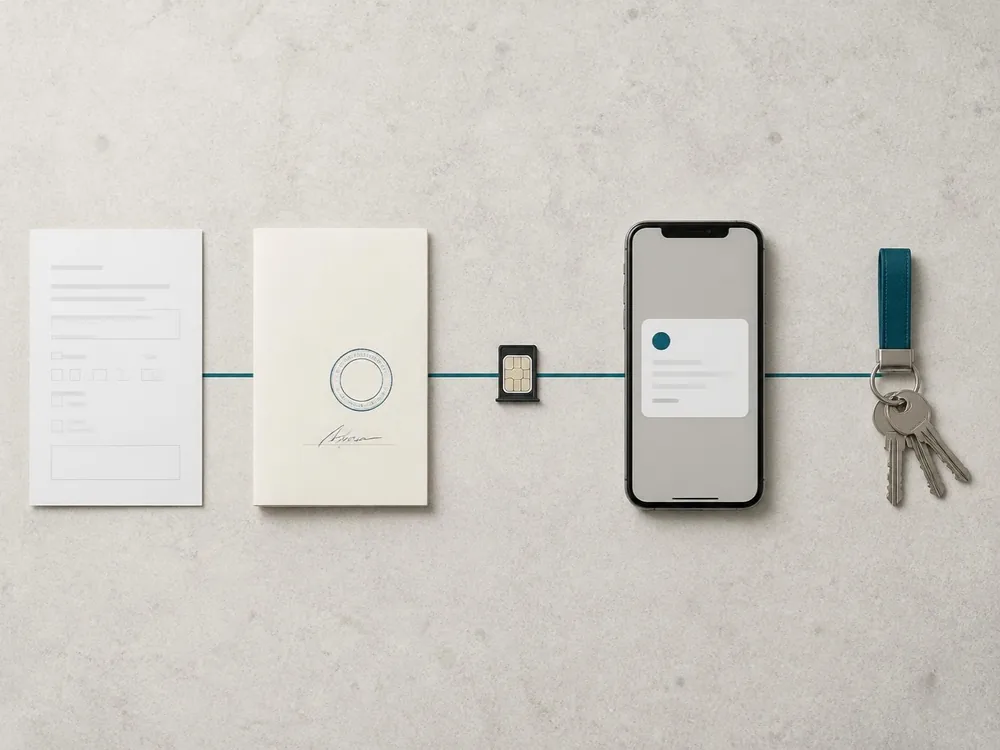
- Share requirements. Your business details, your use case, and the brand assets you want on the sender profile.
- Google brand verification. We submit your business for RCS brand verification and approval.
- Sender profile setup. Logo, display name and brand colour are registered against your agent.
- Template design. We build your rich cards and carousels, and you approve them.
- API keys and go live. Credentials land, or you send straight from the dashboard.
Use cases
What businesses send over RCS.
Product showcases
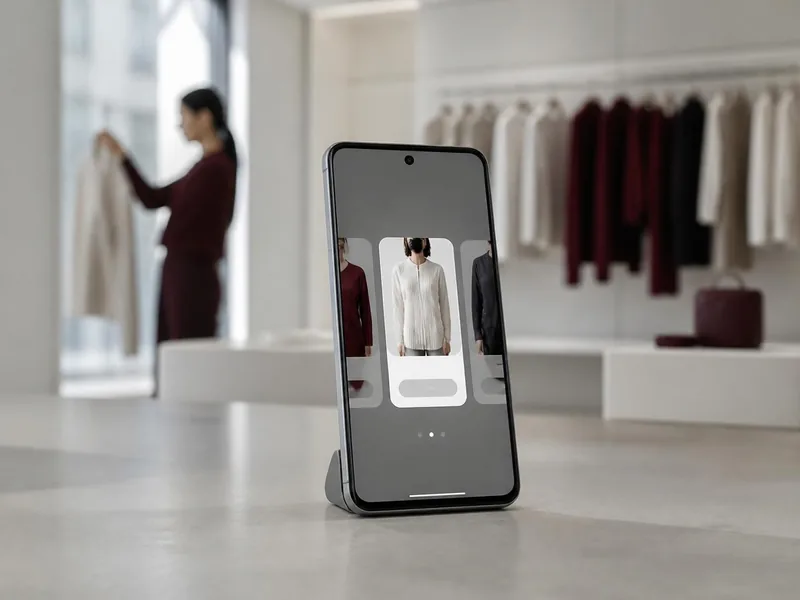
A carousel of this week's arrivals, each card priced, with a button straight to that product page.
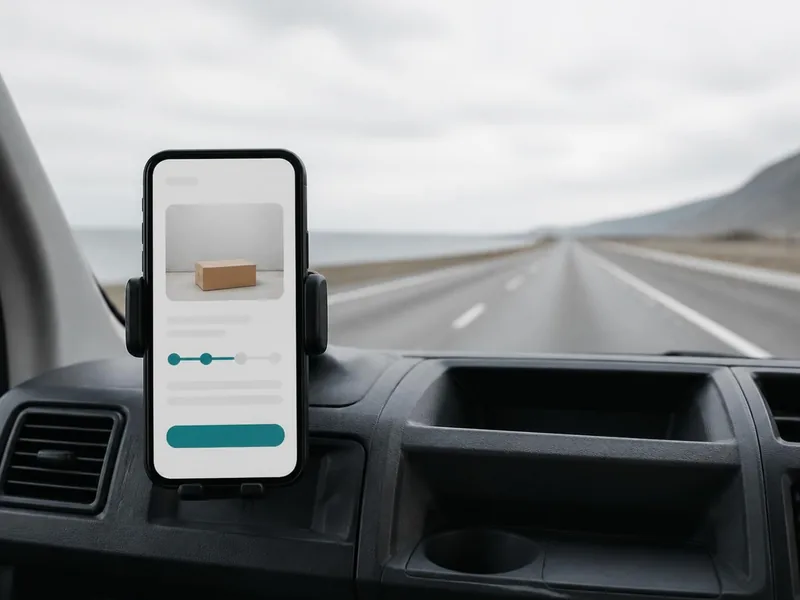
Order tracking
A live status card that updates as the parcel moves, with a track button instead of a pasted URL.
Appointment reminders
Confirm or reschedule by tapping a button, with the location and a call option on the same card.
Banking alerts
Verified sender identity makes a genuine bank message visibly different from a phishing text.
Event invitations
Image, date, venue map and an RSVP button, all inside the native inbox.
Test-drive booking
Model carousel, nearest dealership, and a one-tap slot request.
Service notices
Outages, renewals and policy updates, with the acknowledgement captured as a tap.
Feedback and NPS
A one-tap rating card collected where response rates are highest.
Industries
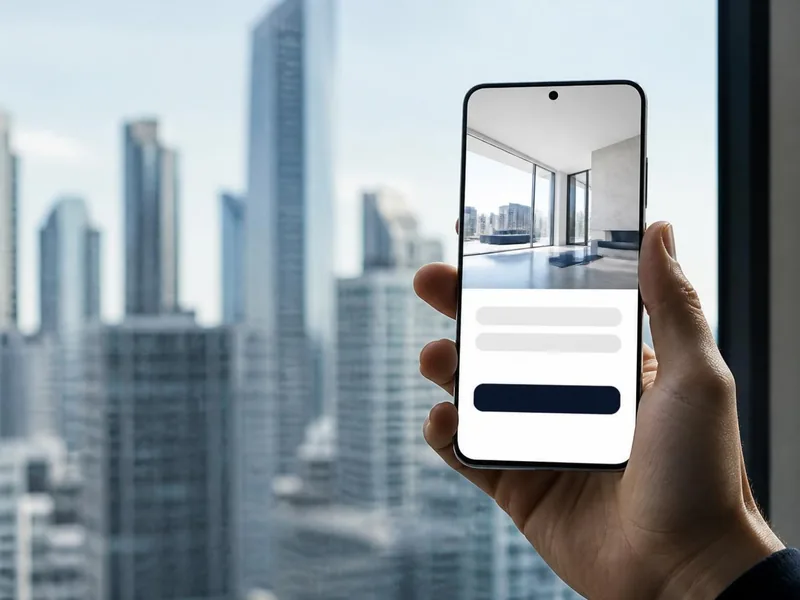
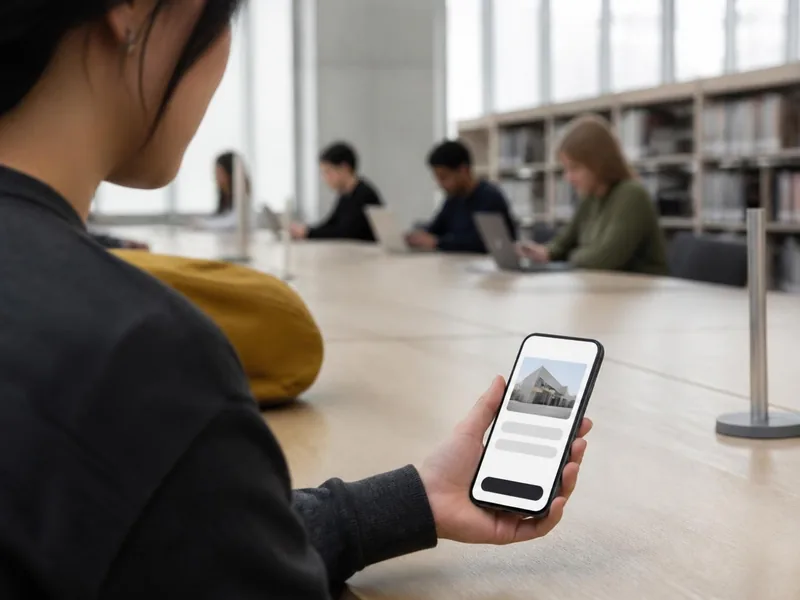
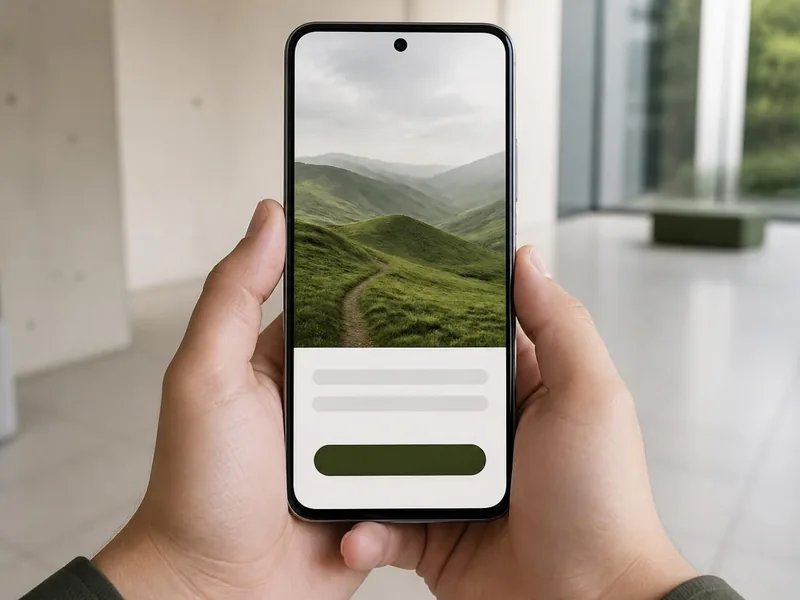
RCS by industry
What the rich format is actually used for, sector by sector.
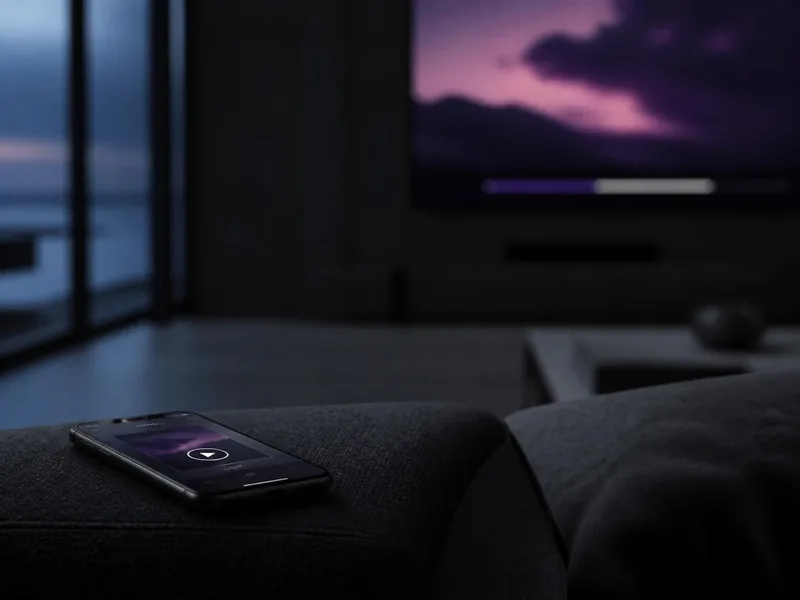
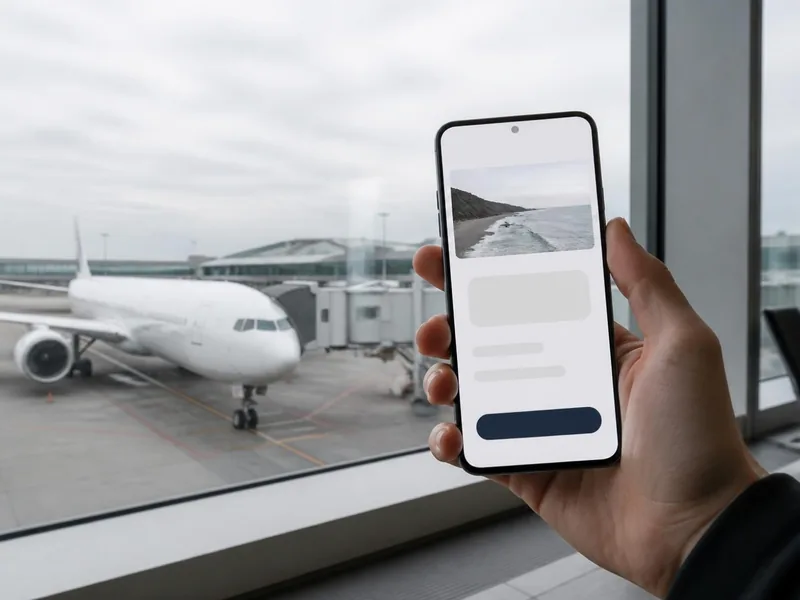
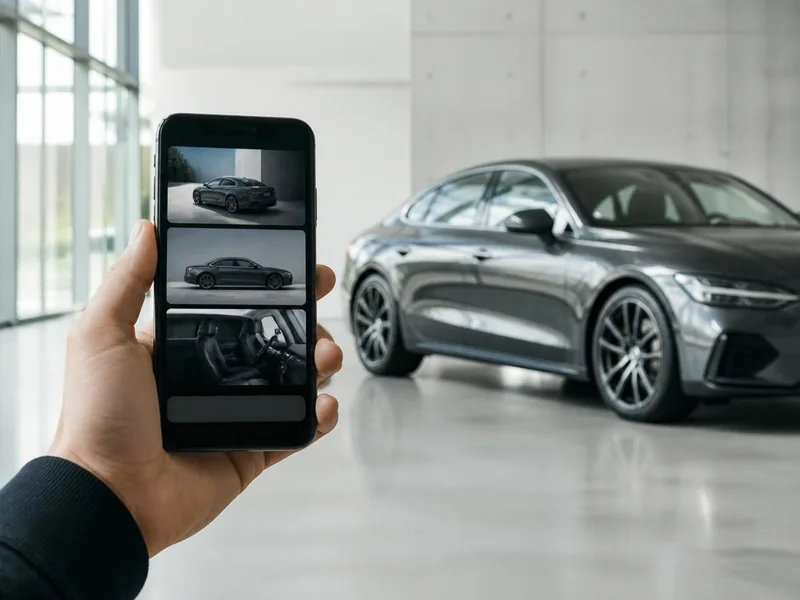
Questions
Frequently asked.
RCS stands for Rich Communication Services. It is the carrier-level successor to SMS, delivered to the same native messaging app — but instead of 160 characters of plain text, it carries images, video, carousels and tappable buttons, under a verified brand identity.
Nothing has to be installed. It arrives in the inbox the customer already uses. The longer explanation, with sources, is here.
Charged per delivered message, with promotional and transactional priced separately. The current rate card is on the pricing page.
You are not charged for messages that fail, nor for the SMS fallback that replaces them. Tell us your monthly volume and we will quote against it.
No, and anyone who tells you otherwise is overselling it. RCS runs through Google Messages, covering roughly 95% of Android handsets in India. Apple added support in iOS 18, so iPhone reach is growing but not yet universal.
Handsets that cannot receive RCS get an automatic SMS fallback at no extra charge, so the campaign still reaches everyone.
No. You can build and send campaigns from the web dashboard without writing any code.
The REST API is there when you want messages triggered by your own systems, with webhooks and delivery callbacks. Both options cost the same.
Branded plain text, single rich cards with an image and action buttons, swipeable multi-card carousels, and interactive messages with quick-reply chips.
Media — images, video, GIFs and audio — can be up to 10 MB per message.
Quicker than most people expect. The one part outside anyone's control is Google's brand verification, since that depends on Google reviewing your submission.
Have your logo, display name and brand colour ready, and we will give you a realistic date for your case.
Send your first rich message this week.
Tell us what you want to send and to how many people. We will come back with a rate and a sample card built in your branding.