Promotional SMS
Promotional SMS that brings customers back.
Promotional SMS is a marketing text sent from a DLT-registered header ending in -P, using an approved template, to non-DND numbers between 10 AM and 9 PM, with an opt-out in every message. It is the direct route back to a customer you have already won.
DLT-registered -P headers · Non-DND numbers, 10 AM–9 PM · An opt-out in every message
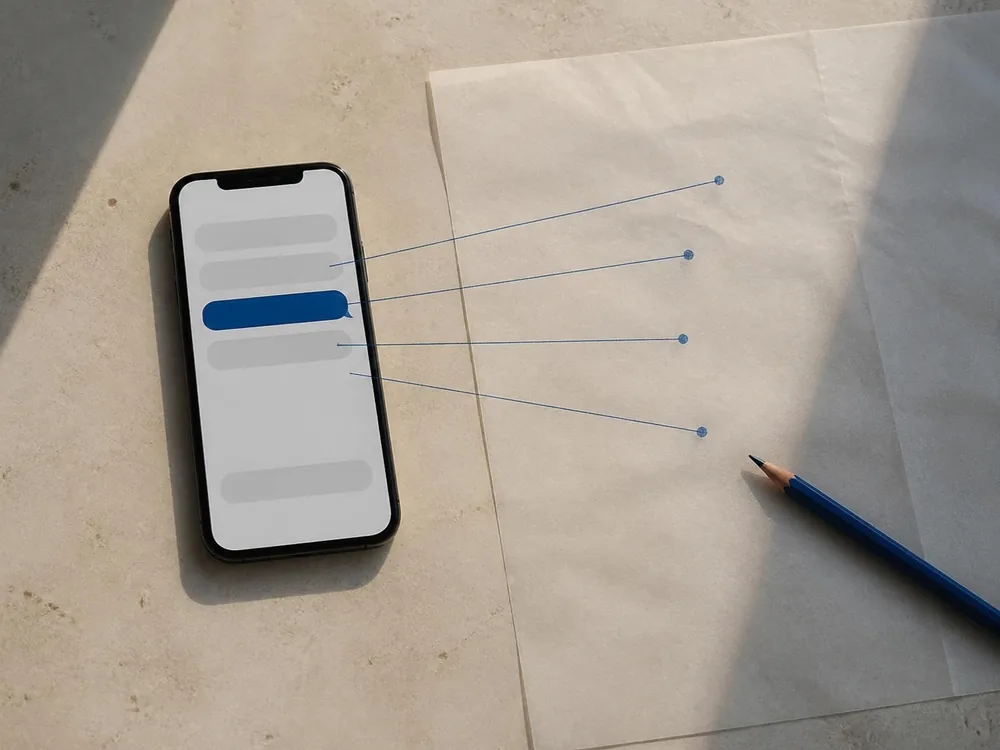
Anatomy of a compliant message
What every promotional SMS has to carry.
Four parts, each checked against the DLT registry at delivery. Miss one and the message is filtered rather than delivered.
The four parts
- A -P header. The sender ID registered on DLT for promotional traffic, shown with -P at the end so the person receiving it can see the message is promotional.
- An approved template. Fixed wording with marked variables, registered against that header before any campaign uses it.
- Whitelisted links and numbers. Any URL or callback number in the message is whitelisted against your registration first.
- An opt-out. A clear way for the recipient to stop receiving promotional messages from you.
Audience and timing
Who it can reach, and when it can go out.
Two Indian telecom rules decide whether a promotional SMS is delivered at all.
Non-DND numbers only
A number that has blocked promotional messages, fully or for your category, is filtered out at delivery, whatever your contact list says. Only explicit consent recorded on DLT overrides that. You pay per delivered message, so filtered numbers are not charged.
10 AM to 9 PM
By default, promotional SMS is delivered only inside this window: TRAI keeps the 9 PM to 10 AM time bands switched off for every recipient unless they turn them on. Campaigns can be scheduled ahead and released inside it, so an evening idea never goes out at midnight.
Consent and opt-out
Your promotional list is a retention asset. Treat it like one.
The people on it chose you once. Every message either earns the next read or teaches them to ignore your header.
Send to people who opted in
Past buyers, loyalty members and leads who asked to hear from you. Bought lists produce complaints, not customers.
Make the opt-out easy
Every promotional message has to say how to stop them. Honour it, and the list that remains is one that wants your next offer.
Protect the header
Spam complaints are raised against the sender, and repeated complaints can lead to action against the header. Relevance protects it better than volume.
Campaign use cases
Campaigns that bring customers back.
Launches for past buyers
A new range announced first to the people who bought the last one, with a short link to the collection.
Seasonal and festive sales
Festive, end-of-season and anniversary sales, scheduled inside the window and sent to the segment most likely to buy.
Replenishment nudges
A reminder for products customers run out of, timed to when the last order should be running low.
Win-back offers
A reason to return for customers who have gone quiet, sent before they forget why they bought.
Event and store invitations
Store openings, showroom events and webinars, with a whitelisted link to register or get directions.
Member offers
Loyalty prices and points promotions that make the programme feel worth belonging to.
Templates
Writing a template that gets approved and gets read.
Every promotional SMS goes out from a registered template. These rules decide what one can hold.
One template, one header
Each template is registered against a single sender header, so decide which header carries which campaign before you register.
Variables are limited
Mark only what changes per recipient, such as a name, an offer code or a link. Each variable holds up to 30 characters, and more than three needs a justification.
Links and numbers are whitelisted
URLs, app links and callback numbers must be whitelisted against your registration, or the message is blocked at delivery.
Fixed wording stays fixed
Changing the fixed text means registering a new template, so finish the campaign copy before you submit it.
Regional scripts use more parts
Unicode messages fit 70 characters per SMS against 160 in plain English, so a Hindi or Tamil offer splits into billed parts sooner.
Unused templates lapse
Templates left unused for a long stretch are deactivated, so check seasonal templates before the season starts.
Promotional bulk SMS runs on the same platform as the rest of your SMS traffic. We register your promotional header and templates on DLT with you; you supply the business documents and the exact wording. Template approval sits with the DLT platform rather than with your promotional SMS provider, so it is the step to start first. How routing, DLT and delivery work on UDO's bulk SMS platform.
Questions
Promotional SMS questions, answered.
Promotional SMS, also called promo SMS or advertisement SMS, is a commercial text that promotes a product, service or offer, sent from a DLT-registered header ending in -P using an approved template.
It can only reach non-DND numbers, by default only between 10 AM and 9 PM, and every message must carry an opt-out.
Not without their explicit consent. A number that has blocked promotional messages, fully or for your category, is filtered out at delivery. If that person has given you explicit digital consent, recorded on DLT, TRAI's 2025 amendment lets your promotional messages through whatever their preferences.
A message that informs a customer about something they did, such as an order or a payment, may qualify as a service or transactional message instead. See how transactional messages work.
Between 10 AM and 9 PM, by default. TRAI keeps the 9 PM to 10 AM time bands switched off for every recipient unless that person turns them on.
Campaigns can be scheduled in advance and released inside that window.
The -P suffix marks the sender header as promotional. Service, transactional and government headers end in -S, -T and -G instead. The operator adds the suffix so recipients can see the message type at a glance.
Yes, as long as the link is whitelisted against your DLT registration before you send.
URLs, app links and callback numbers that are not whitelisted are blocked at delivery.
Use SMS when reach matters most, because it lands on every handset with or without data.
RCS adds images, carousels and buttons on Android, and the WhatsApp Business API suits audiences who live in the app. Many brands send on the rich channel first and use SMS for everyone else.
Charged per delivered message. The current rate card is on the pricing page.
See the rate card, or tell us your monthly volume and we will quote against it.
Plan your next campaign on a compliant route.
Tell us who you want to reach and what you want them to do. We will map the header, the templates and the send window with you.