NGOs & non-profits
SMS and WhatsApp for NGOs: trust is built in the message after the donation.
Non-governmental organisations (NGOs) and non-profits use UDO to send a receipt the moment a gift clears, campaign updates that show where the money went, and shift details that get volunteers to the right place, over SMS, WhatsApp, RCS and voice from one dashboard. Each message is set off by something that happened: a payment, a milestone, a sign-up.
DLT registration handled · Four channels, one dashboard · Trusted by 1,000+ businesses worldwide

Three audiences
Donors, volunteers and communities need different messages.
One list and one tone for all three serves none of them. Each group expects something else from you.
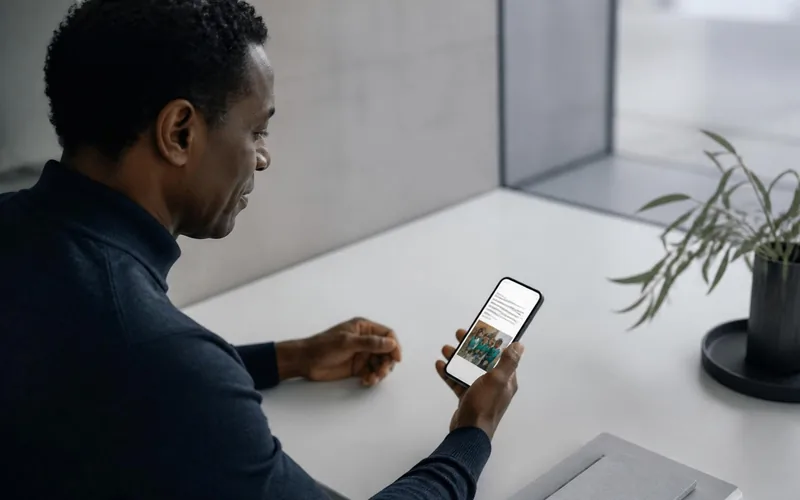
Donors
They want proof their money landed and moved something.
- A thank-you with amount and reference when the payment clears
- The 80G receipt as a PDF or a download link
- Impact updates with photos from the project
- A note before a monthly gift renews
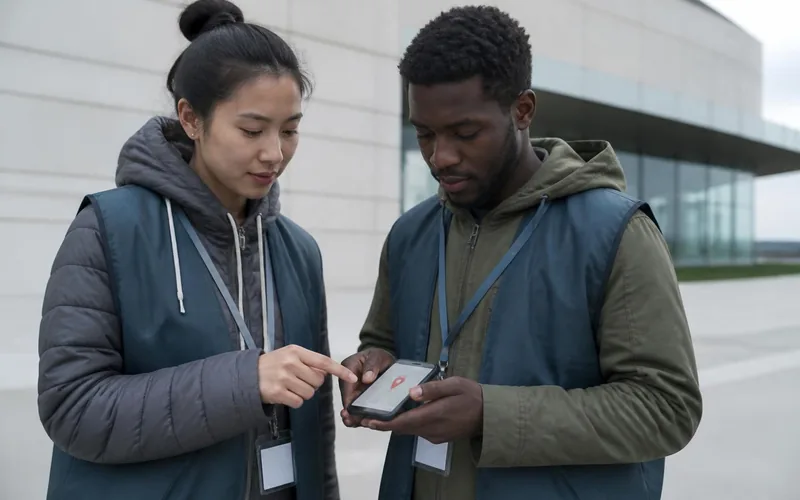
Volunteers
They need logistics, quickly, and an easy way to say yes.
- Shift and event confirmations with one-tap replies
- A location pin and reporting time on WhatsApp
- Last-minute changes sent to everyone on the roster
- A thank-you and hours summary after the drive
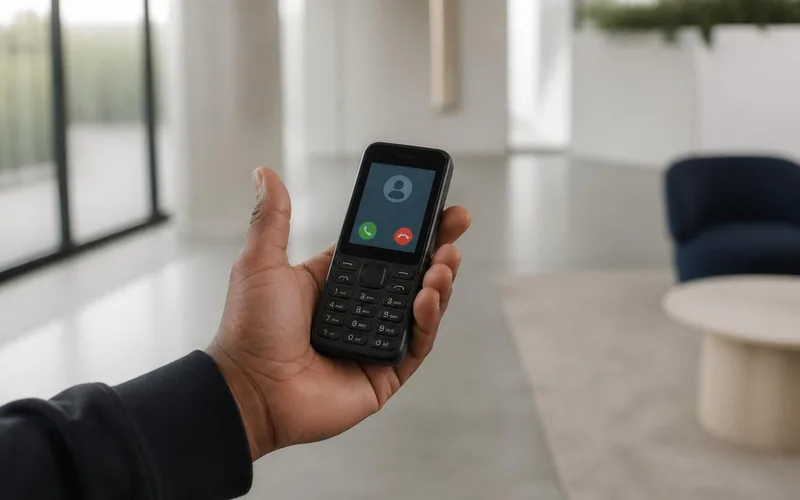
Communities you serve
Many are on basic phones, and prefer their own language.
- Recorded voice calls in the local language
- Unicode SMS in regional scripts
- Camp, distribution and enrolment reminders
- Follow-ups when someone misses a session
The donation journey
Donor communication, from the appeal to the next gift.
A single gift sets off a short run of messages. Each one has a job to do.
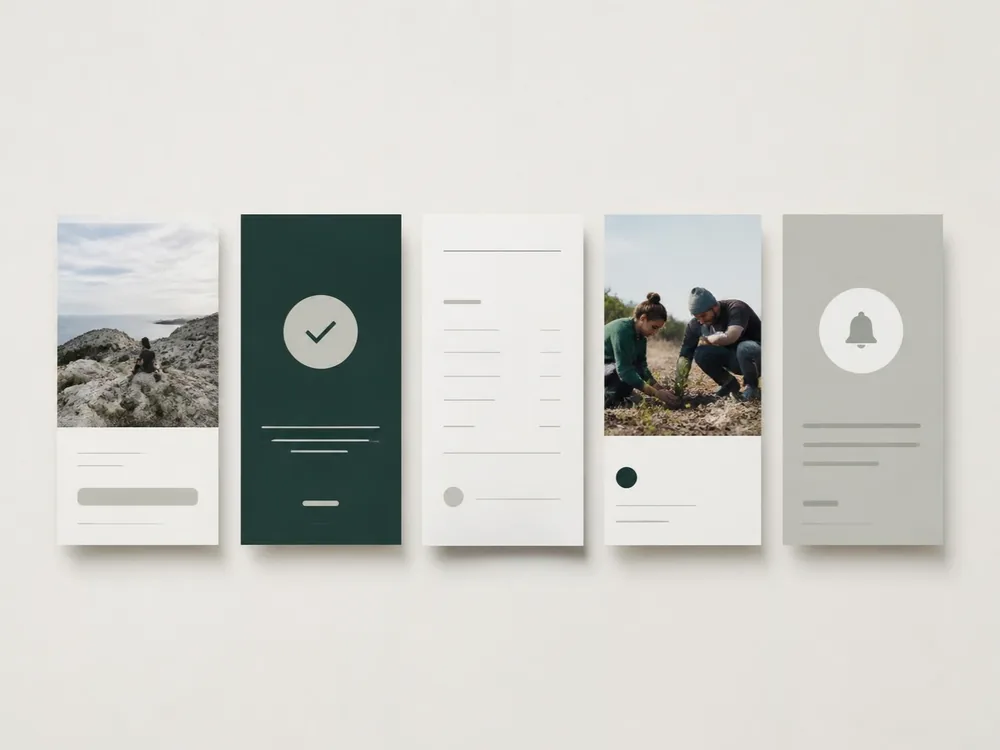
Appeal, confirmation, receipt, impact, next gift
- Appeal. An RCS card with a photo from the field and a Donate button, or a WhatsApp message with a payment link.
- Confirmation. As soon as the payment clears, a thank-you with the amount and a reference number.
- Receipt. The 80G receipt as a PDF on WhatsApp, or a download link by SMS, from the system that records the gift.
- Impact. Later, what the money did: a photo, a figure from the project, the name of a place.
- Next gift. A note before a monthly donation renews, or an invitation to the next campaign.
The rules
A charity appeal is still a promotional message.
On SMS, the route depends on what a message says, not on who sends it.
An appeal is promotional
It reaches non-DND numbers only, between 10 AM and 9 PM by default, from a DLT-registered header and template. On WhatsApp it goes as a marketing template, only to supporters who have opted in.
A receipt is transactional
It confirms something the donor did, so on a DLT-registered transactional route it can reach DND-registered numbers at any hour. On WhatsApp it goes as a utility template, to donors who opted in to WhatsApp messages, for example with a tick-box on your donation form.
If your organisation is registered for tax-deductible donations (section 80G of the old Income-tax Act), donors look for the receipt you issue for each gift and, later, the donation certificate generated after you file your annual statement of donations. A message does not change what either document must contain or when you issue it; it changes how quickly the donor has the receipt in hand. For content and timing, follow your auditor or tax adviser.
Field reach
Not everyone you serve has a smartphone.
Programme updates often matter most to people who will never open a link. Voice and plain SMS reach them.
Voice calls in the language people speak
Record the message once in Hindi, Odia, Kannada or whichever language your programme works in, upload the beneficiary list, and UDO places the calls. Numbers that do not answer are retried on the interval you set.
- Health camp, ration distribution and school enrolment reminders
- Unicode SMS in regional scripts, at 70 characters per message against 160 in English
- Call and delivery reports per number, for your programme records

Small teams
Built for a team of three, not a department.
Communications is often one person's second job. The setup should not need a developer.
Spreadsheet in, campaign out
Upload a donor or volunteer list as a CSV, choose an approved template and schedule it. Nothing to integrate before the first send.
Connected when you are ready
Donation and CRM records can trigger messages directly. Salesforce, HubSpot and Zoho are supported, and any other system connects through the REST API.
A person, not a ticket queue
A named account manager who knows your templates and sending patterns, with support from 9 AM – 6 PM, all days.
Questions
SMS and WhatsApp for NGOs: common questions.
Yes. An NGO registers on DLT like any other sender, with an approved header and templates, and can then send bulk SMS to its supporters.
Fundraising appeals go on the promotional route, to non-DND numbers between 10 AM and 9 PM by default. Receipts and confirmations go on the transactional route and reach every number at any hour. We work through the DLT registration with you during onboarding.
Look for DLT registration done with you, receipts on a transactional route and appeals on a promotional one, Unicode support for regional scripts, and delivery reports per number for your programme records.
UDO's platform covers each of these, alongside WhatsApp, RCS and voice.
Yes, once you need to reach supporters at scale: it sends receipts, impact updates with photos and video, and volunteer logistics from one verified number that your whole team can answer.
Meta's business verification comes first, and it is usually the slowest step because it waits on Meta's review. Every supporter must opt in to hear from you on WhatsApp before you send them any template, receipts included; appeals go as marketing templates.
Send the receipt as a PDF on WhatsApp, or as a download link by SMS, triggered automatically when your donation system records the gift.
The message only delivers the receipt. What the receipt contains, and when you issue it, follows the tax rules your auditor applies.
Yes, with recorded voice calls and plain SMS, both of which work on a basic phone with no data connection.
Record the audio in the language your programme works in. For SMS in a regional script, keep the text short: a Unicode message holds 70 characters, against 160 for English.
Start with SMS for receipts and confirmations, because it reaches every donor's phone, then add WhatsApp for impact updates and volunteer coordination.
RCS earns its place for visual appeals to supporters on Android, and voice for communities on basic phones.
An NGO pays only for messages delivered, and for voice by the pulse. Opening the account costs nothing, and there is no subscription to budget for.
The rate for each channel is on the pricing page. Organisations sending at sustained high volume can ask for custom rates.
Make the next thank-you arrive on time.
Receipts or volunteer reminders make a good first pilot: small, paid and easy to measure. On the demo call we also go through what DLT registration needs from your organisation.