Banking & financial services
Bank SMS and WhatsApp only work if the customer believes them.
UDO runs SMS for banks, NBFCs and fintechs, with WhatsApp, RCS and outbound voice: OTPs, alerts, EMI reminders, KYC notices and collections on DLT-registered routes. On SMS, WhatsApp and RCS, every message carries a sender customers can verify, which phishing cannot copy.
Verified senders on SMS, WhatsApp and RCS · 98%+ delivery · Trusted by 1,000+ Businesses Worldwide
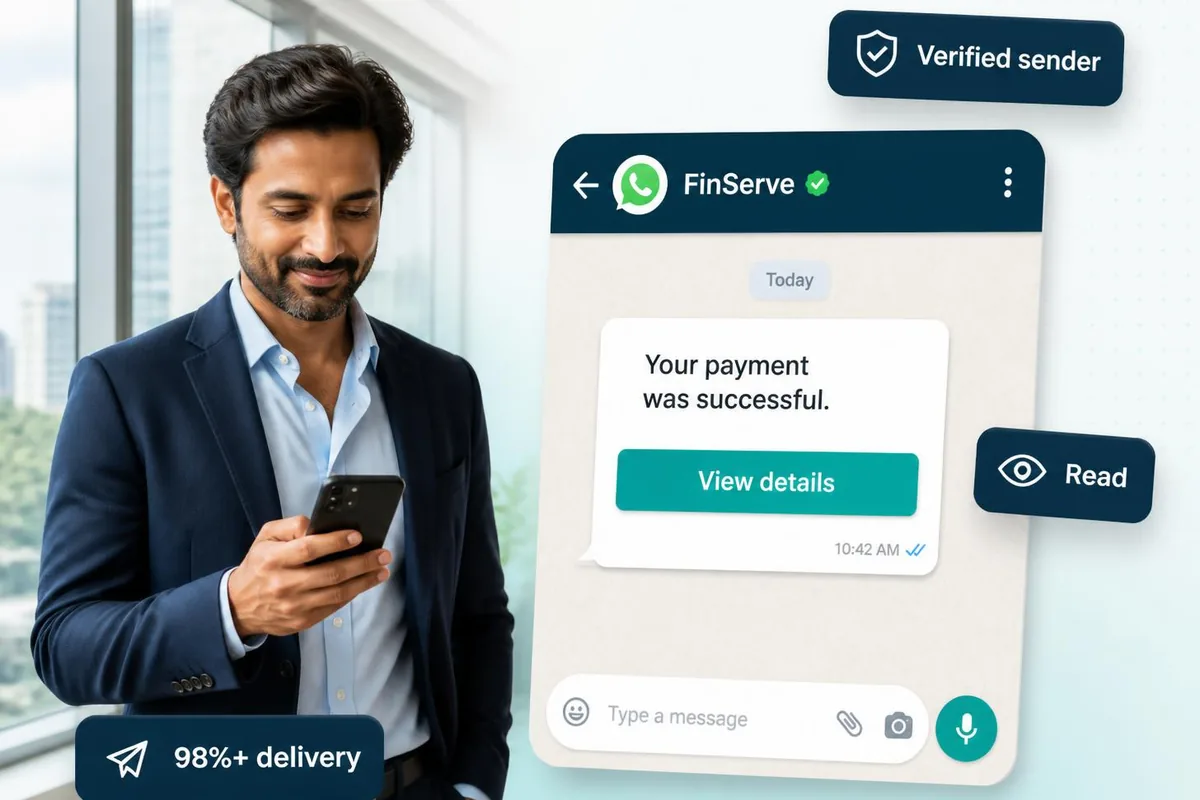
Sender identity
Fraudsters can copy your wording. They cannot copy a verified sender.
UDO puts a verified identity in front of customers before they read a word.
RCS: a brand Google has verified
Your logo, name and colour top the thread, verified by Google before the first send. A spoofed text has none of it. How lenders use RCS.
WhatsApp: a registered business account
Your verified business profile, connected through UDO as an Official Meta Tech Partner. Every template is Meta-approved.
SMS: a header tied to your entity
DLT-registered headers belong to your entity alone, and TRAI rules tag each with its category: -T, -S, -P or -G. Publish your headers; anything else is not you.
The message map
Six messages, and the rule behind each.
Every financial message falls into a TRAI category that sets its route, hours and recipients. RBI adds its own rules.
OTP and two-factor
TransactionalChannels
SMS, WhatsApp authentication template, voice fallback
What governs it
DLT template; reaches DND-registered numbers at any hour
Debit and credit alert
TransactionalChannels
SMS, with a WhatsApp or RCS copy
What governs it
RBI mandates SMS alerts for electronic banking transactions (from 1 Jan 2027, every one above Rs 500), with a way to object by SMS
EMI and card-due reminder
ServiceChannels
WhatsApp with a pay button, SMS, voice
What governs it
DLT template; no offer mixed in
Periodic KYC notice
ServiceChannels
SMS, WhatsApp, RCS, beside the letter
What governs it
RBI: at least three intimations and three reminders, one of each by letter
Collections follow-up
ServiceChannels
SMS, outbound voice; WhatsApp only for factual payment reminders
What governs it
RBI recovery conduct: no inappropriate messages or persistent calls; no calls before 8 AM or after 7 PM
Card, loan or deposit offer
PromotionalChannels
WhatsApp, RCS, SMS
What governs it
Opt-in; SMS to non-DND numbers only, 10 AM – 9 PM
Mix an offer into an alert or reminder and the whole message turns promotional. Keep cross-sell on its own template and header.
Journeys
Where the money moments happen.
Three journeys carry most of a lender's volume, each triggered by your own systems.
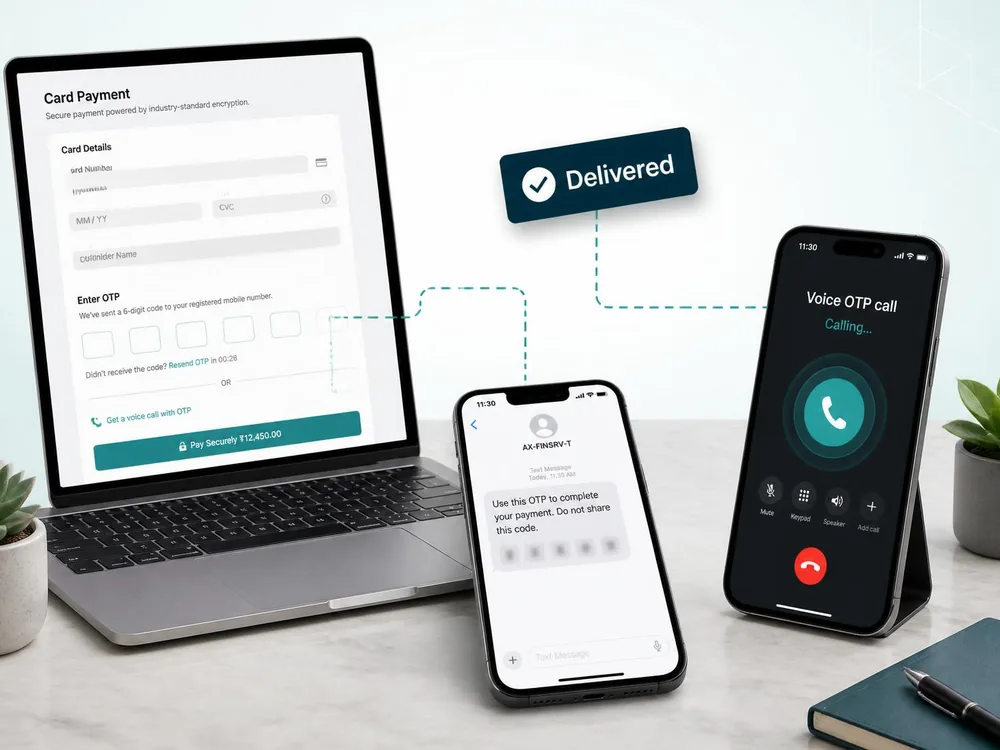
OTP and two-factor, with a fallback
A payment waiting on a code is close to abandonment. UDO sends the OTP by DLT-registered transactional SMS, as a WhatsApp authentication template, and as a voice call when the text does not land.
- Reaches DND-registered numbers
- WhatsApp copy-code button
- Voice in Hindi or any regional language
- One API call, any channel
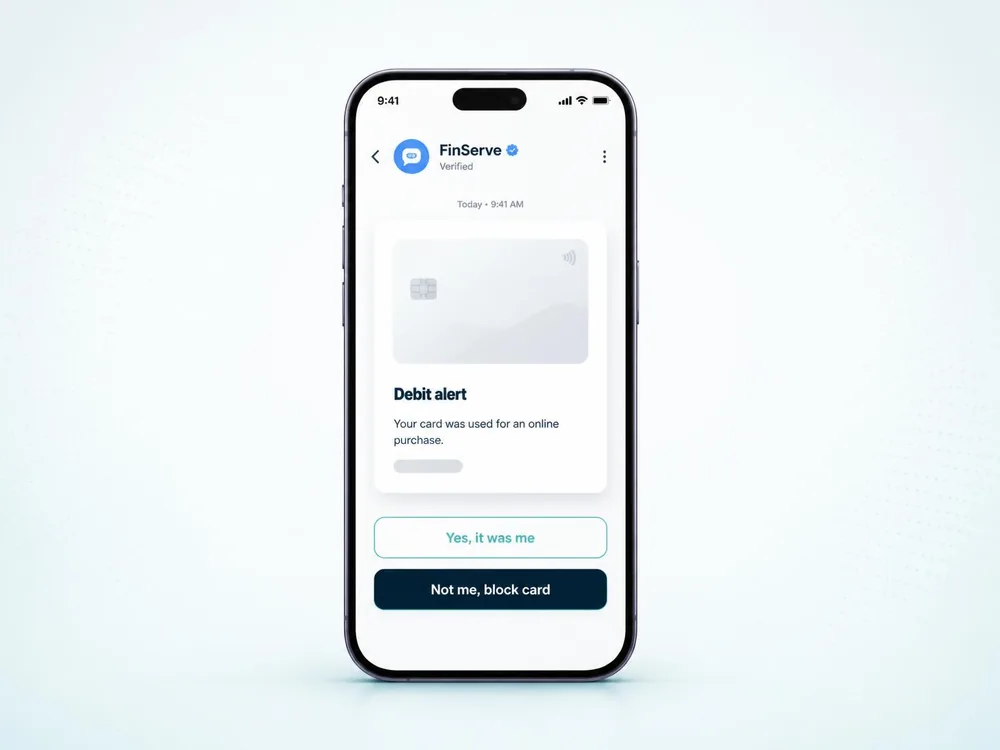
Alerts with a way to object
RBI requires banks to send SMS alerts for electronic banking transactions, with a way to object by SMS. From 1 January 2027, every one above Rs 500 needs an instant SMS with a number to text an objection to; at Rs 500 or less the SMS is optional and free, and an email alert goes to any address on file. Keep the SMS as the record, and add a WhatsApp or RCS copy whose "This wasn't me" button feeds your fraud workflow by webhook.
- SMS on a transactional route, any hour
- WhatsApp or RCS copy with a reply button
- Button taps sent to your systems live
- Delivery logged per alert
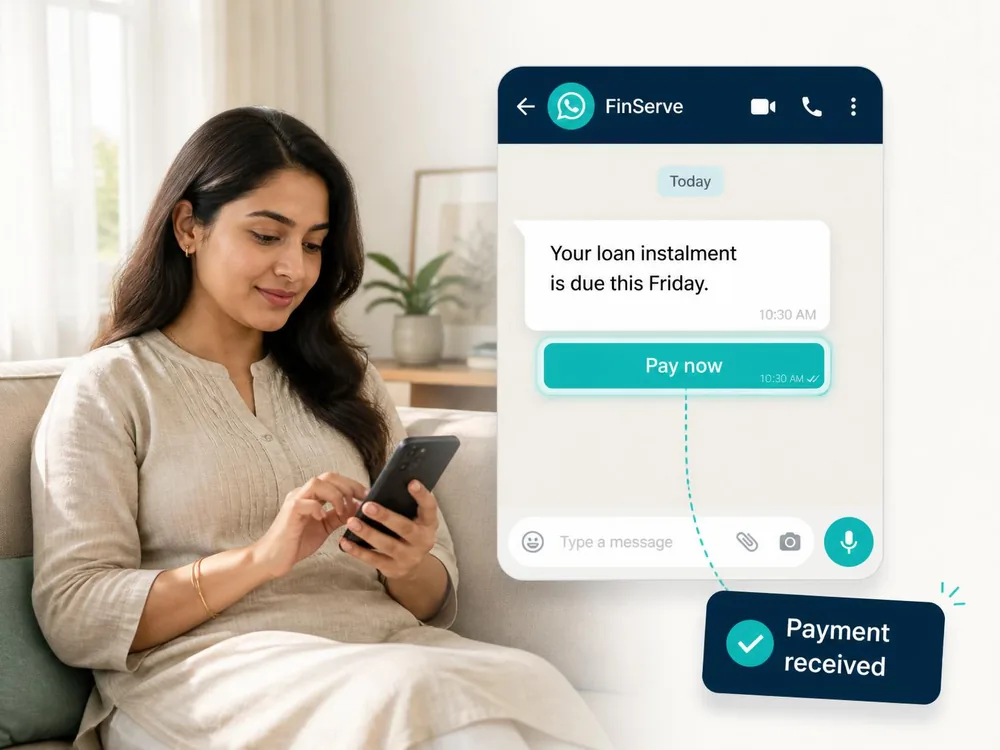
EMI reminders that carry the payment
"Pay at your branch" produces a branch call. Send the amount, due date and a pay button on WhatsApp, SMS for customers not on the app, and a recorded call in their language for anyone who reads neither.
- Before the due date, and on it
- Pay button, not a pasted URL
- Stops once the instalment clears
- Voice for customers who skip texts
Regulated journeys
KYC nudges and collections, inside RBI's lines.
Two journeys where RBI sets the rules for the message.
Periodic KYC updation
RBI requires at least three intimations before a periodic KYC update falls due and at least three reminders after, at least one of each by letter, each recorded for audit.
- Intimations on SMS, WhatsApp and RCS
- Timestamped delivery record per send
- Link to your secure re-KYC flow, never a form in chat
Collections follow-up
RBI bars inappropriate messages, threatening or anonymous calls, persistent calling, and calls to borrowers before 8 AM or after 7 PM, for banks, NBFCs and their recovery agents. From 1 January 2027, a commercial bank's recovery messages must also keep to 8 AM to 7 PM. On WhatsApp, send only factual payment reminders on utility templates; Meta's policy bars debt collection there.
- Voice locked to your calling window
- Compliance-approved templates
- Payment link and callback in every message
Getting started
From DLT registration to the first alert, in order.
Meta and Google verification is the slowest step, so it runs alongside DLT registration.
DLT registration
Entity, headers and templates on the DLT platform.
Meta and Google checks
WhatsApp business and RCS brand verification. The slowest step.
Template approval
OTP, alert and reminder templates approved by DLT and Meta.
System integration
Core banking, loan or card systems trigger sends via REST API.
A paid pilot
One journey first, measured against your numbers, then the rest.
Questions
Frequently asked.
SMS on a DLT-registered transactional route is the default for OTPs: it reaches every handset, and DND-registered numbers, at any hour.
Add WhatsApp authentication templates for app users, and a voice call as fallback.
No. RBI makes SMS alerts mandatory for electronic banking transactions, so WhatsApp or RCS goes alongside as a richer copy.
That copy is where a "This wasn't me" button belongs.
WhatsApp banking is conversational banking in a WhatsApp thread: customers check due dates, get statement links or report card problems, and your verified business account answers.
UDO runs it with a no-code chatbot and quick-reply buttons, handing account queries to an agent in a shared inbox. Card, account and ID numbers stay out of the chat.
Yes, for notices, reminders and conversations, as long as no one is asked for card, account or ID numbers in chat, which Meta's policy forbids. The same policy bars debt collection, so keep overdue follow-ups on SMS and voice.
Keep authentication and payments on your own secure pages; WhatsApp takes the customer there.
Transactional messages respond to a customer action, like an OTP or debit alert; service messages cover a product they hold, like an EMI due date; promotional messages sell something new.
Each needs its own DLT-registered header and template, and promotional SMS reaches only non-DND numbers, 10 AM to 9 PM by default.
Yes. A debit, due date or KYC deadline in your system triggers an API call to UDO; delivery status returns by webhook.
Salesforce, HubSpot, Zoho, Freshdesk, CleverTap and MoEngage connect directly. Endpoints are in the API documentation.
You pay only for delivered messages, priced by channel and message type.
No account opening fee, no subscription, and custom rates for sustained volume. See the full rate card.
Start with the alert your customers doubt most.
Pilot one journey, such as OTPs, alerts or EMI reminders, small and paid. We register the templates and sender identity; you compare delivery with your current reports.