Healthcare
The care between visits runs on patient communication.
UDO is a patient communication platform for hospitals, clinics and diagnostic labs. It confirms appointments, sends reminders, delivers reports and prescriptions, and follows up after discharge, over WhatsApp, RCS, SMS and outbound voice. Every template is written so a locked phone shows that something is waiting, never what the diagnosis is.
WhatsApp, RCS, SMS and voice · Official Meta Tech Partner · Trusted by 1,000+ Businesses Worldwide
Channels
Which channels does a healthcare communication platform need?
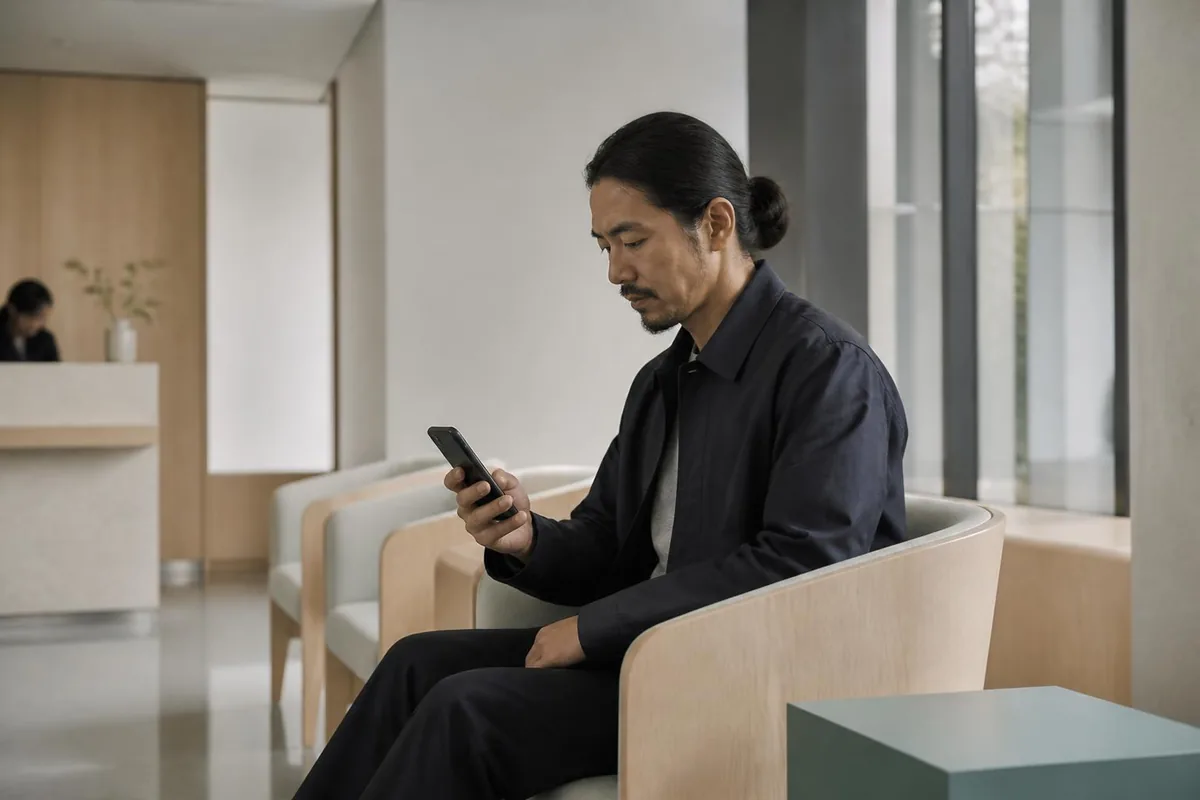
All four: WhatsApp, RCS, SMS and outbound voice, because a hospital's patients range from a student on WhatsApp to a grandparent with a basic handset. Each channel covers a different part of that list.
Report PDFs, confirm and reschedule buttons, and a two-way thread your front desk answers from a shared inbox. WhatsApp for healthcare.
RCS
Appointment cards under the hospital's verified name and logo, with map and call buttons, in the Android inbox. RCS for healthcare.
SMS
Reaches any handset. A reminder in Hindi, Tamil or Bengali script is Unicode, which fits 70 characters per message instead of 160, so write it short. Bulk SMS, transactional and promotional.
Voice
A recorded call in the patient's own language, for people who will not read a text at all. Outbound voice calls, scheduled and retried.
Patient journey
What a patient should hear from you, and when.
Three stages, each with its own messages. Every one is fired by your hospital or lab system, not typed by a person.
Booked, confirmed, reminded, and easy to move.
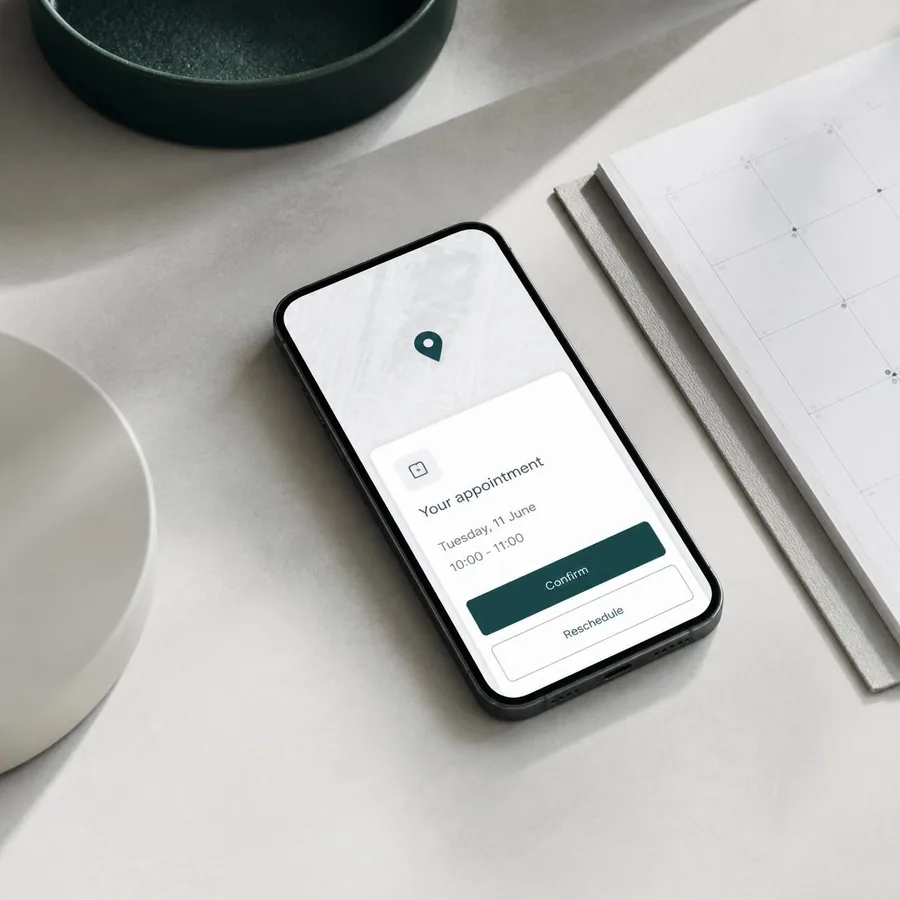
A confirmation goes out the moment a slot is booked, with the doctor, the time and a map pin. A reminder follows ahead of the visit with confirm and reschedule buttons, so a cancelled slot reaches your waitlist instead of standing empty.
Fewer questions at the counter.
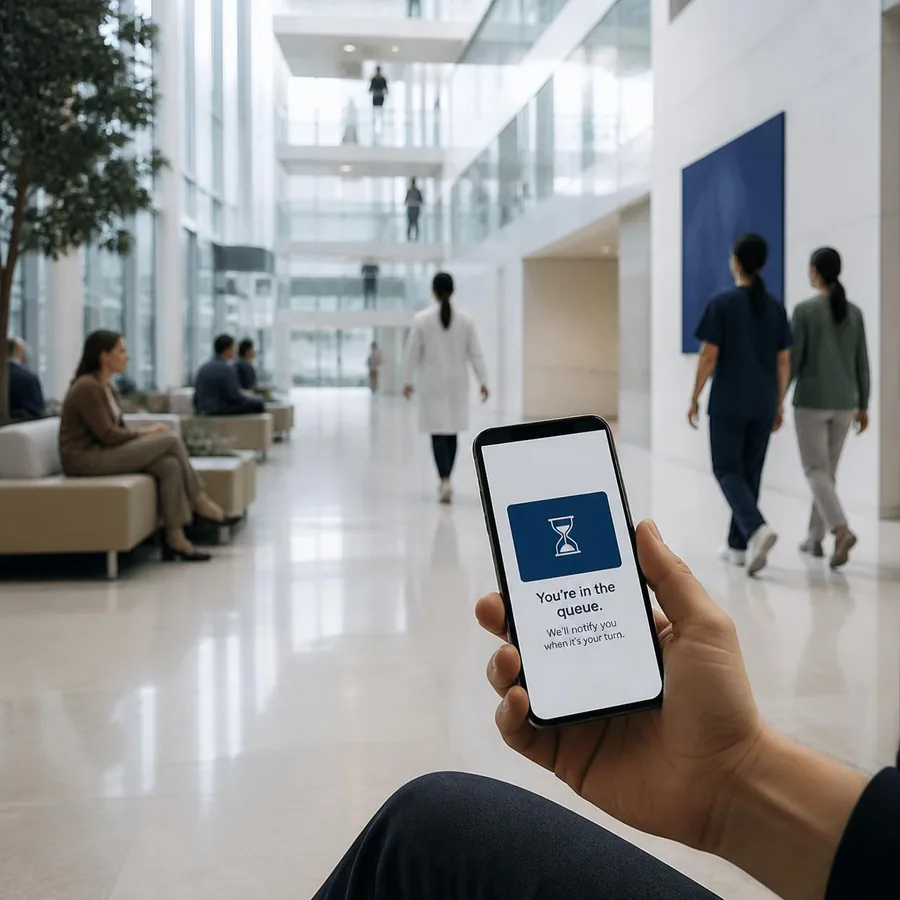
The token number, the floor and the documents to bring reach the patient before they reach the building. Labs send sample-collection slots and fasting instructions, and the pharmacy sends a ready-for-pickup notice instead of a name called across a hall.
Reports, prescriptions and the follow-up that gets kept.
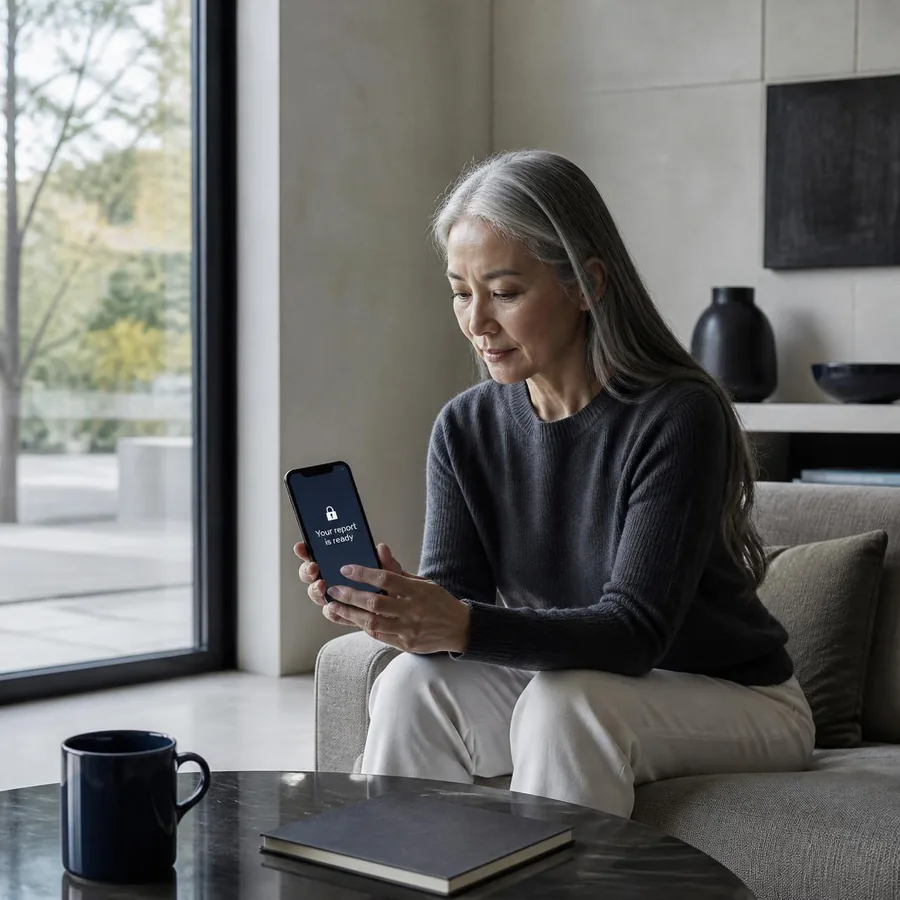
A report-ready message carries a secure link or a password-protected PDF, not the result itself. Prescriptions go as a digital copy, follow-up visits are booked from a button, and refill reminders arrive before the strip runs out.
Patient privacy
A lock screen should say a message is waiting, never what is in it.
Phones preview the first line of a message to anyone standing nearby. Privacy in patient messaging is mostly decided when the template is written.
Write for the lock screen
Templates say "Your report from the hospital is ready" and keep the finding behind a link or a password-protected file. Department names that reveal a condition stay out of the first line.
Consent you can show
Health data already needs the patient's consent under the IT Act's 2011 Sensitive Personal Data Rules, and the Digital Personal Data Protection Act, 2023 brings its notice and consent duties into force on 13 May 2027 under the 2025 Rules. Record each patient's messaging consent and chosen channel at registration.
Prescriptions by the guidelines
The Telemedicine Practice Guidelines, 2020 let a registered practitioner share a photo, scan or digital copy of a signed prescription over any messaging platform, with their registration number shown.
Health campaigns
Is a health check-up campaign a promotional message?
Yes. A check-up package, a camp invitation or a new specialty launch is promotional. On WhatsApp it goes as a marketing template, only to patients who opted in; on SMS it goes from a promotional header and template, and reaches only non-DND numbers between 10 AM and 9 PM by default.
Where the line actually falls
The test is whether the message is about care the patient already has, or care you would like to sell them. A reminder that a child's scheduled vaccine dose is due is a service message. An invitation to a vaccination camp sent to everyone is a promotion.
- Service: appointment reminders, report-ready notices, due doses, refill reminders
- Promotional: check-up packages, camps, new specialties, seasonal offers
- Separate templates and headers for each, never one message doing both
- An opt-out on every promotional send
See how transactional messages are routed and how promotional SMS works.
Add a discount line to a report-ready SMS and the whole message is treated as promotional. It is then filtered for every DND-registered patient, including the ones waiting for that report.
Keeping campaigns on their own template is what keeps clinical messages reaching everyone.
Integration
Triggered by your hospital system, not by staff.
Events in, messages out
Your hospital management system, lab system or booking app sends an event to UDO's REST API, and the right template goes out: slot booked, sample collected, report signed, patient discharged. Delivery and read status come back by webhook, so the front desk can see who has confirmed without phoning anyone.
- REST API and webhooks for every message
- CRM integration with Salesforce, HubSpot, Zoho, Freshdesk, CleverTap and MoEngage
- A shared WhatsApp inbox for patient replies
- Delivery reports per message, per channel
- One-time codes for patient-portal and report logins, by SMS, WhatsApp or voice OTP
Questions
Frequently asked.
Yes. Send a report-ready message with a secure link or a password-protected PDF, and keep the result itself out of the message preview.
The patient opens it in their own time, on their own screen.
Yes, for a registered medical practitioner. The Telemedicine Practice Guidelines, 2020 allow a photo, scan or digital copy of a signed prescription to be shared over email or any messaging platform.
The practitioner's registration number should appear on the prescription and on electronic communication with the patient.
Your hospital system or booking app calls UDO's API when a slot is booked or changed, and the reminder sequence runs from that event.
A reschedule tap comes back to your system by webhook, so the freed slot can go to the next patient.
Use SMS and outbound voice. SMS reaches any handset, and a recorded call in the patient's own language reaches people who do not read texts at all.
Yes. Appointment reminders, report-ready notices and refill reminders go on the transactional route from a DLT-registered header and template, and reach every number, DND included, at any hour.
Health check-up offers and camp invitations are promotional SMS: they reach only non-DND numbers, between 10 AM and 9 PM by default. How bulk SMS works.
No. HIPAA is a United States law for US healthcare organisations and their vendors, and it does not govern Indian hospitals.
In India, patient data is covered today by the IT Act's Sensitive Personal Data Rules, 2011, which treat medical records and history as sensitive and require the patient's consent. From 13 May 2027, the Digital Personal Data Protection Act, 2023 and its 2025 Rules take over. The practical safeguards are the same either way: consent recorded at registration, no clinical detail in message previews, and reports behind a link or a password.
A reminder or report notice is billed only once it reaches the patient, at the rate for its channel and category.
Hospitals pay no account opening fee and no subscription, and groups running several sites can ask for custom rates. See the rate card.
Start with the reminder your empty slots need most.
Choose one journey, appointment reminders or report delivery, and run it as a small paid pilot. We register the templates and connect it to your system; you compare attendance with the month before.