Media & entertainment
A media subscriber who stops opening is already leaving.
Media and entertainment brands use UDO to run the WhatsApp, RCS, SMS and voice messages that keep a subscription alive: the welcome after sign-up, the alert when a new release drops, the reminder before a renewal is due and the offer that brings a lapsed viewer back. Each one is triggered by what the subscriber did, not by a calendar.
Official Meta Tech Partner · Triggered from your platform's events · Trusted by 1,000+ businesses worldwide
The subscriber lifecycle
Five moments decide whether a subscriber stays.
Churn rarely arrives without warning. It shows up first as a welcome nobody read, a premiere nobody heard about, or a payment that failed without anyone saying so.
Sign-up
Login code, a welcome and a first title picked from what they browsed.
Release alerts
Premieres, new episodes and live events, sent to the people who follow that genre.
Between releases
Watchlist and continue-watching nudges that keep the viewing habit going.
Renewal
A reminder before the plan ends, and a fix-it link the moment a payment fails.
Win-back
A reason to return, sent to lapsed subscribers on the channel they still open.
The journeys
Four journeys carry most of an audience's value.
Here is how each one runs on UDO, and which channel does the work.
Onboarding that starts the habit
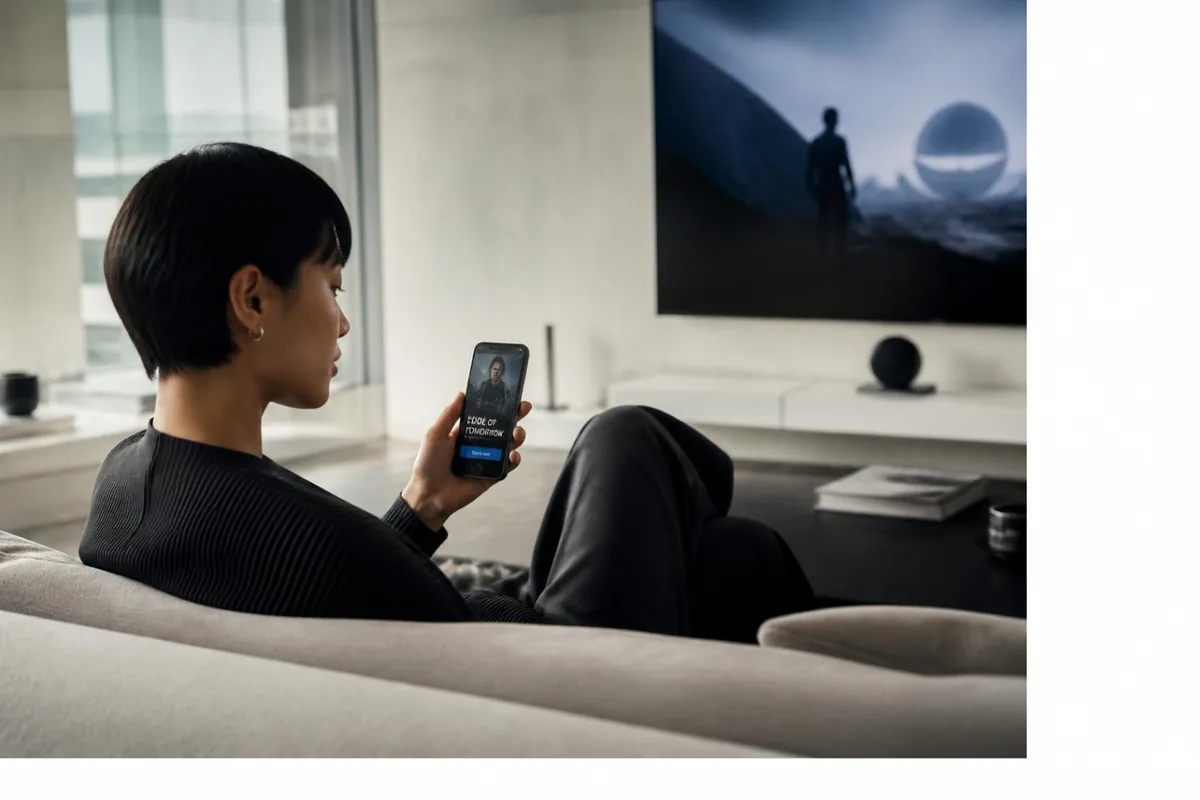
A new subscriber is never more willing to try something than in the days after paying. A WhatsApp welcome with three titles chosen from what they browsed, a login code that lands first time, and a nudge if the app has not been opened since: each one fires automatically from your own sign-up event.
- Sign-up and login codes over SMS, WhatsApp or voice, through OTP authentication
- A welcome series triggered by events in your platform
- Genre and language preferences captured with one-tap buttons
Release alerts people actually see
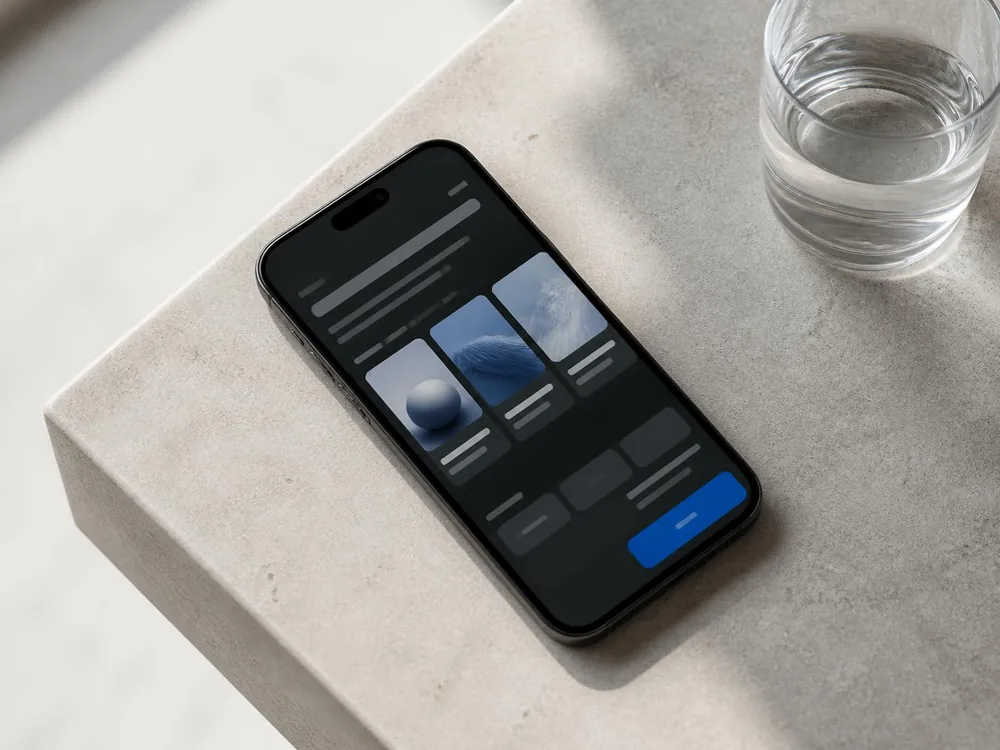
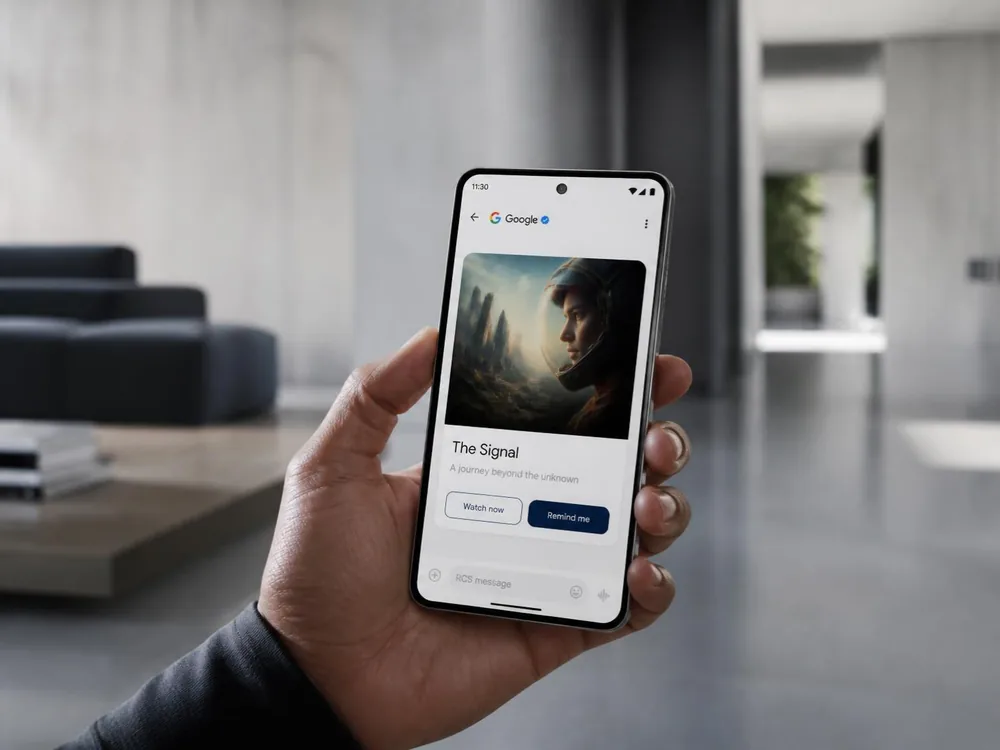
A premiere posted on social reaches whoever the feed decides. An RCS card with the key art and a Watch now button lands in the inbox of the people who finished last season. On WhatsApp, a marketing template can carry the trailer itself as a video header.
- Segments built on genre, language and viewing history
- Live-match and concert alerts scheduled for the hour they start
- Automatic SMS fallback when a handset cannot show the rich card
- Release alerts are marketing: opt-in on WhatsApp, non-DND numbers between 10 AM and 9 PM on SMS
Renewals that do not fail quietly
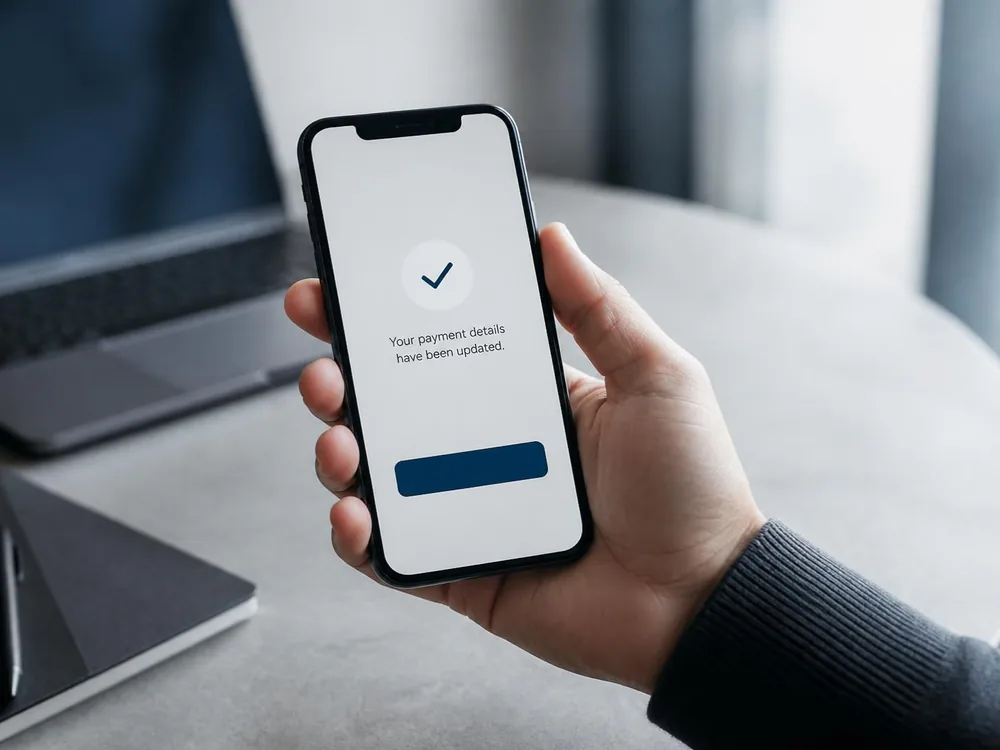
An expired card or a bounced auto-debit loses subscribers who never meant to leave. A reminder before the plan ends, and a message with an update-payment link the moment a charge fails, gives them the chance to fix it before access is cut.
- Renewal and payment-failure notices on a transactional route, which reaches DND-registered numbers at any hour
- Payment links in WhatsApp utility templates, with a receipt once it clears
- DTH and cable recharge reminders by SMS and recorded call, for households that never open an app
Live events, from ticket to gate
A ticket buyer needs three things from you: the ticket, the gate time, and word the moment anything changes. Each one is triggered by your booking system.
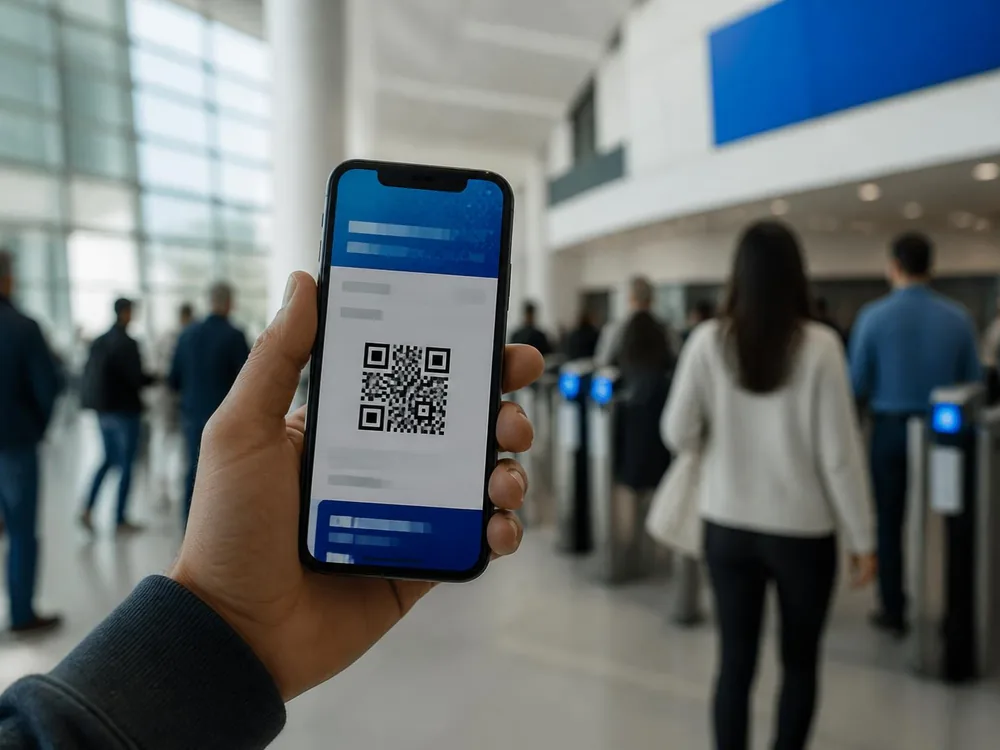
- Booking confirmation and e-ticket in a WhatsApp utility template
- Gate times, venue and line-up changes sent to ticket holders by WhatsApp and SMS
- Last-minute ticket releases are promotional: opted-in fans on WhatsApp, non-DND numbers between 10 AM and 9 PM on SMS
Win-back
Lapsed is not lost. It is a segment.
A subscriber who cancelled still remembers why they joined. A win-back message works when it names the reason to return, not only the discount.
Lead with what they watched
Pull the last series a lapsed viewer finished and open with its next season, not with the whole catalogue.
Use the channel they still open
Delivery and read reports show where each person still responds. If WhatsApp went unread for months, an RCS card or a short SMS may be the one that lands.
Respect the stop
Someone who asked you to stop, and keeps hearing from you, is no longer a win-back prospect. Clear opt-outs first, then build the segment.
Channels
How do media and entertainment brands use WhatsApp, RCS, SMS and voice?
Media and entertainment brands use WhatsApp for welcome series, trailers and billing support, RCS for release cards with a Watch now button, SMS for login codes and renewal notices, and voice for recharge reminders. Run all four from one integration and let fallback rules decide per subscriber.
Welcome series, trailers as video, and billing questions answered in the same verified thread. WhatsApp Business API.
RCS
Key art, carousels of new titles and a Watch now button in Android's native inbox. RCS messaging.
SMS
Login codes, renewal reminders and payment failures on routes that reach every handset. Bulk SMS.
Voice
Recorded calls in the subscriber's language for recharge reminders and match-day announcements, on any phone. Voice dialer.
Questions
Frequently asked.
OTT platforms use WhatsApp for the welcome series after sign-up, release alerts with the trailer attached, renewal and payment-failure reminders, and billing support in the same thread.
Every message you start on WhatsApp needs the subscriber's opt-in. Release alerts go as marketing templates, and renewal and payment messages as utility templates. UDO fires each one from an event in your platform through the REST API.
No. A release alert is promotional, so on SMS it reaches non-DND numbers only, and by default only between 10 AM and 9 PM.
Renewal reminders and payment-failure notices to existing subscribers are a different category: on a DLT-registered transactional route they reach DND numbers at any hour. Both need registered headers and templates, which we set up with you during onboarding.
Yes, for release alerts and live events, because the key art and a Watch now button appear inside the native Android inbox instead of a bare link.
Google Messages carries RCS to roughly 95% of Android handsets in India, and Apple added RCS support in iOS 18. With SMS fallback switched on, a phone that cannot show the card gets the alert as a promotional SMS instead, which reaches non-DND numbers only, between 10 AM and 9 PM by default.
Yes, and most directly the involuntary kind: a reminder before renewal and an instant message when a payment fails let subscribers fix the problem before access ends.
Voluntary churn takes longer work. A welcome that builds a viewing habit and a win-back offer tied to what the person used to watch are where to start.
UDO integrates with Salesforce, HubSpot, Zoho and Freshdesk, and with CleverTap and MoEngage.
Your subscriber platform, billing system or app backend connects through the REST API. The API documentation covers endpoints and delivery webhooks.
You pay for each delivered message, or each pulse on voice, at the rate for that channel and message type, with no account opening fee and no subscription.
The current rates are on the pricing page. For a large subscriber base, book a demo and we will quote against your monthly volume.
Turn the next release into next month's renewal.
Choose the journey that loses you the most subscribers, often renewals, and test it as a small paid pilot. In the demo we trace it back to the events your platform already records.