RCS marketing
RCS marketing: campaigns customers can tap, not just read.
RCS marketing sends your campaigns as rich, branded messages in the phone's own messaging app: carousels, image cards and one-tap buttons under your verified name. Deliveries, taps and replies come back as data, so a campaign is judged by what customers did with it.
Verified brand sender · Cards, carousels and suggested replies · SMS fallback for every handset
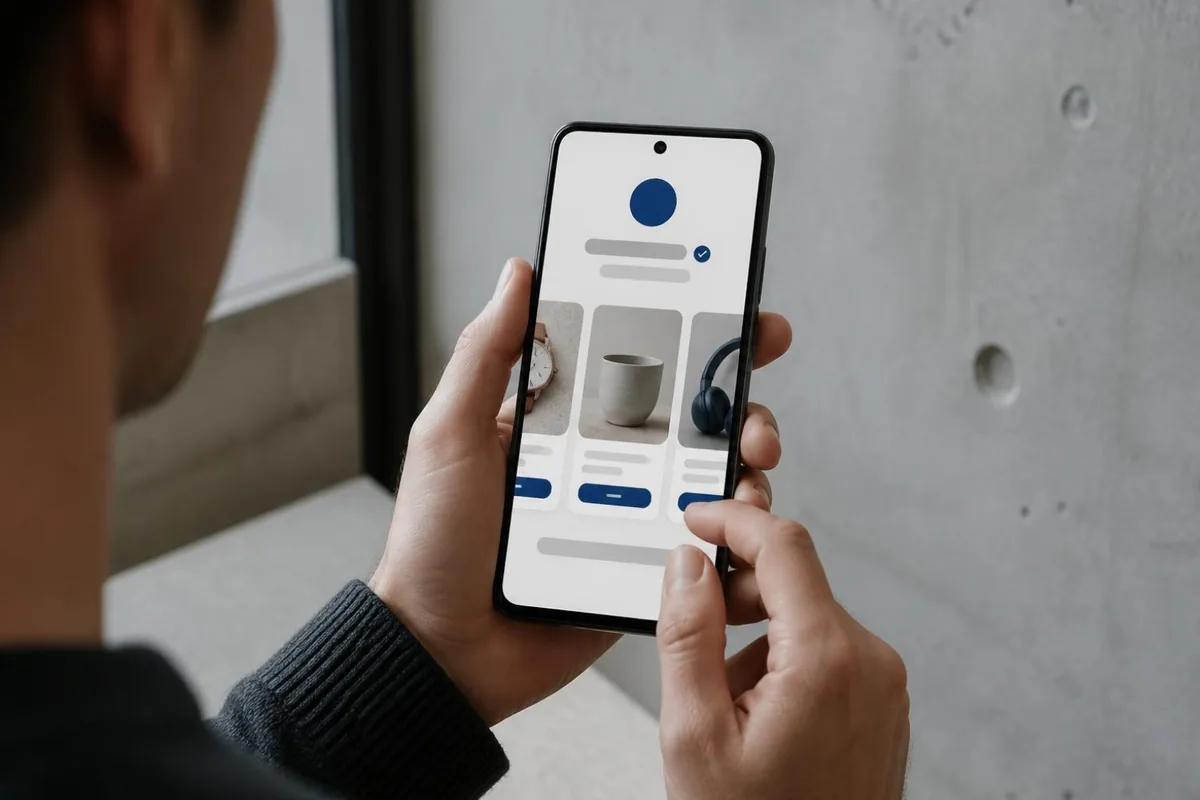
Why marketers switch
Why run campaigns on RCS instead of plain SMS?
Because one RCS message can show the product, prove who sent it and take the next step, where an SMS can only ask the customer to trust a link from a header they do not recognise.
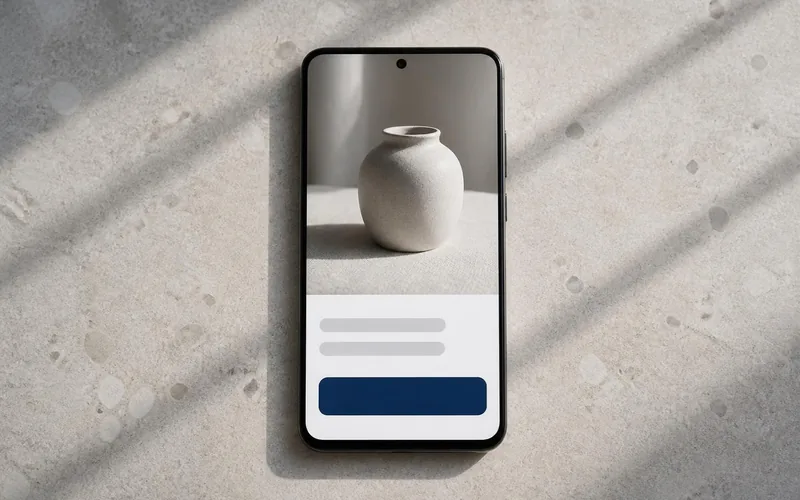
The product, not a description of it
Images, video and swipeable carousels arrive in the native inbox, with no app for the customer to install first.
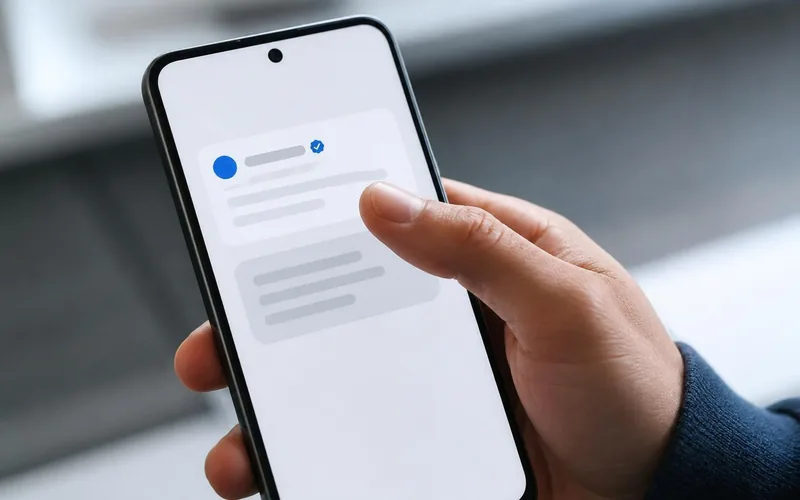
An offer that is visibly yours
A verified sender profile puts your logo and name on the thread, which is what separates a genuine offer from a phishing text.
Interest turned into a click
One-tap buttons such as Shop now, Book a visit or Open map take the customer to the next step while the interest is still warm.
The building blocks
What can an RCS marketing message contain?
Five building blocks: rich cards, carousels, suggested replies, suggested actions, and the verified sender profile that frames them all. Most campaigns combine two or three.
| Building block | What the customer sees | What it does for a campaign |
|---|---|---|
| Rich card | An image or video with a title, short copy and buttons | Puts the offer and the action in one tile |
| Carousel | Two to ten rich cards side by side, swiped horizontally | A shortlist, a lookbook or a choice of plans in one message |
| Suggested reply | Tappable answer chips under the message | One-tap answers you can segment on: Interested, Not now, Tell me more |
| Suggested action | Buttons that dial a number, open a link, show or share a location, or add a calendar event | Takes the customer straight to the next step |
| Verified sender | Your logo, name and brand colour at the top of the thread | Makes the offer recognisably yours before a word is read |
The retention case
Ad spend buys the first order. RCS is built for the second.
Your most valuable campaign audience is the people who have already bought. RCS gives them something worth opening and records what they did with it, so the next message is better aimed.
Win-back for lapsed buyers
A carousel of what is new since their last order, sent to customers who have gone quiet.
Replenishment and renewals
The exact product they bought, pictured, with a one-tap reorder timed to when they usually run out.
Loyalty and early access
Members-first offers under your verified name, so the privilege is visibly coming from you.
Campaign types
Which marketing campaigns suit RCS?
Campaigns where seeing the product or tapping a button is the natural next step: launches, sales, cart reminders, event invitations, lead capture and feedback requests.
Product launches
Lead with the image, add a Notify me or Shop now button, and let read receipts show you who looked.
Sale announcements
A carousel of the range on offer, each card carrying its own button to the right product page.
Cart and browse reminders
The exact item they left behind, pictured, with a button straight back to checkout.
Event invitations
Image, date and venue on one card, with Add to calendar and View location as buttons.
Lead capture
Suggested replies that qualify interest, such as budget, location and timing, before a salesperson calls.
Feedback and reviews
A one-tap rating sent after delivery, while the experience is still fresh.
Measurement
How do you measure an RCS marketing campaign?
An RCS marketing campaign is measured by what customers did with it. Every message reports delivery, and a read wherever the customer's phone sends read receipts; every button tap and suggested reply comes back as an event you can count, segment on and follow through to revenue.
What each send reports back
- Delivered per recipient, and read where the phone sends read receipts
- Taps on each suggested action and each suggested reply
- Free-text replies typed back into the thread
- Which recipients got the SMS fallback instead of RCS
- Visits to your site from campaign-tagged links on Open URL buttons
Read rates tell you whether the creative earned an open, and they are a floor: a customer who has switched off read receipts never reports a read. Tap rates per button tell you which offer did the work, and the next campaign goes to the segment that tapped.
Webhooks and delivery callbacks in the API docs
Reach and rules
Who receives an RCS campaign, and what rules apply?
Customers whose phones support RCS get the rich version, and everyone else gets an SMS fallback that follows India's SMS rules. RCS reaches roughly 95% of Android handsets in India through Google Messages; Apple added RCS in iOS 18, so iPhone reach is growing but not yet universal.
The RCS sender is verified and approved through Google before your first campaign, against the use case you registered. Promotional content goes out under that approved use case, to people who have agreed to hear from you.
The SMS fallback for a promotional campaign is a promotional SMS. It reaches non-DND numbers only, between 10 AM and 9 PM by default, and needs a DLT-registered header and template. Schedule promotional campaigns inside that window, because the fallback SMS for recipients without RCS follows it. Promotional SMS rules: DLT headers, DND and sending hours.
Source: TRAI, TCCCPR 2018 (PDF, 5.7 MB), Schedule-II item 3 (time bands). Last verified .
How it works
How do you launch a Google RCS campaign with UDO?
Verify your brand with Google, design the creative, choose an opted-in audience, set a DLT-registered SMS fallback, then send and read the results. If your brand is new to RCS, Google's brand verification comes first, because it is usually the slowest step and waits on Google's review.
Verify the brand
Google reviews your business and approves the sender (how RCS sender verification works). Already on RCS? Skip it.
Design the creative
Cards, carousels and buttons built in your branding, approved by you.
Choose the audience
Opted-in segments from your CRM, or an uploaded list.
Set the fallback
A DLT-registered SMS version for handsets without RCS.
Send and read results
Deliveries, taps and replies per recipient as they come in, and reads where the phone reports them.
Questions
Frequently asked.
RCS marketing is promotional messaging sent over Rich Communication Services: campaigns that arrive in the phone's default messaging app as branded cards, carousels and buttons from a verified sender, instead of plain-text SMS.
Yes. RCS advertising is promotional messaging, such as offers, launches and sale announcements, sent from a sender Google has approved for a promotional use case, to customers who have agreed to hear from you. Handsets without RCS get the promotional SMS fallback instead.
An RCS campaign can show images, carry buttons and report reads and taps; an SMS campaign is plain text from a header code that reports delivery only.
Both arrive in the same messaging app, and SMS still reaches every handset, which is why it sits underneath RCS as the fallback. The full comparison is here.
Charged per delivered message, with promotional and utility priced separately. The current rates are on the pricing page.
Current rates are on the rate card, or tell us your monthly volume and we will quote against it.
Yes. A promotional fallback text is a promotional SMS, so it needs a DLT-registered header and template, and it can only go to non-DND numbers between 10 AM and 9 PM by default.
We register the fallback templates alongside the RCS creative.
Yes. Your CRM or campaign tool triggers campaigns through our REST API.
See the API documentation.
Yes. They can tap a suggested reply or type their own answer, and each reply comes back to you as an event you can act on or route to your team.
With a small paid pilot: one campaign to one segment, with the SMS fallback in place, so you can compare reads and taps against your current channel before committing volume.
Bring one campaign. See it as RCS.
Book a demo with a campaign you already send by SMS. We will show it rebuilt as an RCS card in your branding, then plan a small paid pilot to measure it against your current channel.