RCS for real estate
RCS for real estate: show the home in the message, then keep the buyer until the keys.
An RCS property message is a swipeable set of listings with photographs and a "Book a visit" button, sent under the developer's verified name to the buyer's default messaging app. UDO runs it from the first portal enquiry to possession day, with an SMS version for phones that cannot show RCS.
Verified developer identity · Property carousels · RERA details on every promotion
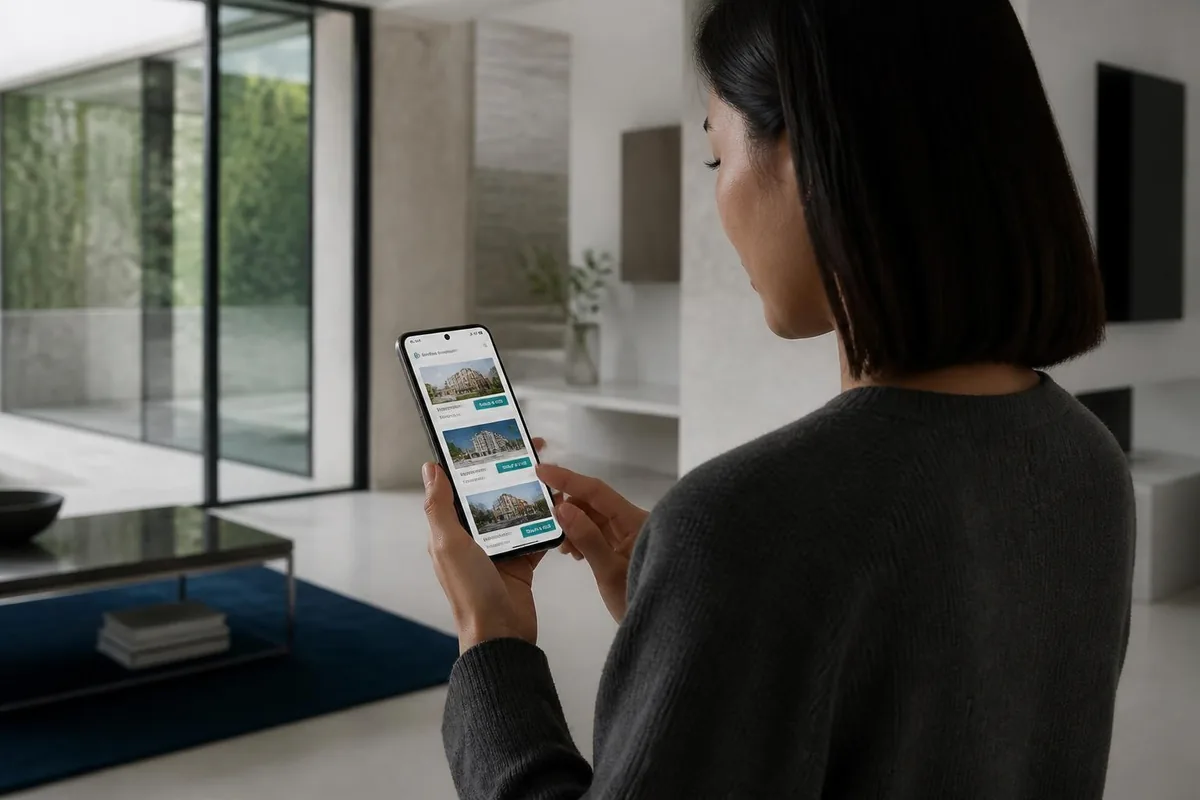
The buyer journey
What does RCS do at each stage of a property sale?
RCS gives each stage of a property sale its own card: a shortlist for the enquiry, a map and a slot for the visit, and progress photographs for the long wait between booking and keys. The table follows a typical under-construction purchase.
| Stage | The RCS message | Buttons on it |
|---|---|---|
| Enquiry | Three matching projects as a swipeable carousel | Book a visit · Call sales · Brochure |
| Qualification | Quick questions on budget band, configuration and locality | Suggested replies the buyer taps |
| Site visit | The slot, the sales executive's name and the project on a map | Add to calendar · Get directions · Reschedule |
| Booking | Allotment confirmation and the payment schedule | View documents · Contact relationship manager |
| Construction | Milestone update with site photographs | View progress · View demand letter |
| Possession | Handover date, documents to bring and snag inspection | Book handover slot · Ask a question |
Listing and visit cards
The two cards that fill the sales gallery.
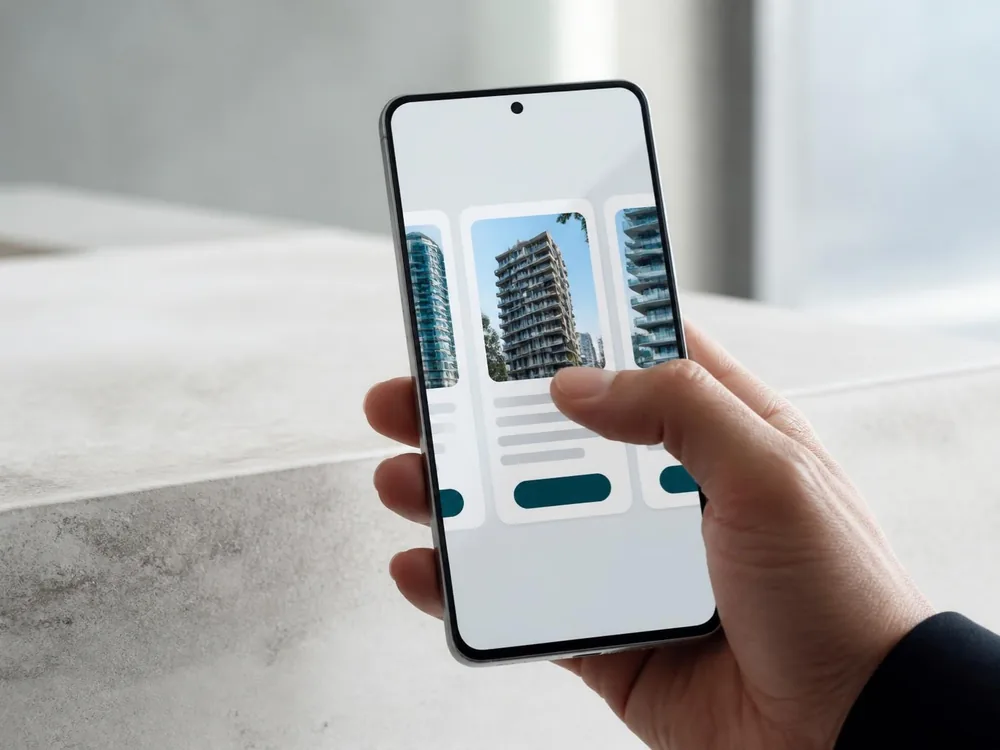
A shortlist the buyer can swipe
A carousel puts several projects side by side: an exterior photograph, configuration, carpet area and locality on each card, with a "Book a visit" button under every one. The buyer compares without opening a property portal, and you see which card they tapped.
- Up to four buttons per card: visit, call, brochure, directions
- Floor plans and walkthrough clips as rich media
- Taps reported per card, so sales follows up on the project that drew interest
A site visit that actually happens
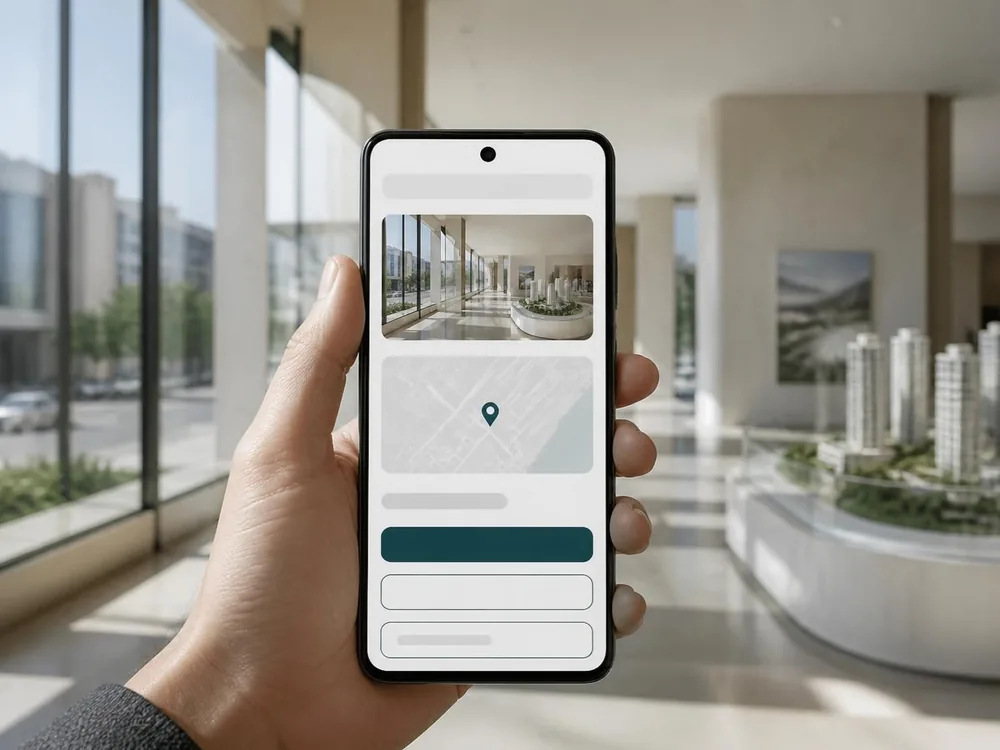
Once a slot is chosen, the confirmation card carries the sales gallery as a map pin, the executive's name and a calendar entry. The reminder on the morning of the visit offers "On my way" and "Reschedule", so the site team knows who is coming.
- "Get directions" opens the map at the sales gallery, not the plot boundary
- Reschedules land back in your CRM as structured replies
- A thank-you card after the visit, with the brochure and a callback button
RERA
What must a property promotion carry under RERA?
Every RCS promotion for a registered project must show its RERA registration number and the state authority's website: Section 11(2) of the Real Estate (Regulation and Development) Act, 2016 requires both in any advertisement, and Section 3 bars advertising a covered project at all until it is registered. An RCS promotion is an advertisement, so the card carries both. The SMS version of that promotion is an advertisement too, so its template carries the same two details.
Registration number and website
On the card itself, not hidden behind a button. A carousel needs them on every project card, because each project carries its own registration.
Carpet area, as RERA defines it
RERA defines carpet area in Section 2(k) and makes the developer disclose each apartment's carpet area when registering the project (Section 4(2)(h)), so that is the figure the card should quote. A card that shows only super built-up area invites the complaint you least want.
State rules on top
States add their own requirements. Maharashtra's authority, for one, asks for a QR code on project advertisements that leads to the registration details, and the card's image can carry it.
After the booking
The wait between booking and keys is a retention problem.
An under-construction buyer pays in stages while the building rises, often for years. Silence in that period is what turns a buyer into a complainant; a regular, verified update keeps them confident.
Construction progress
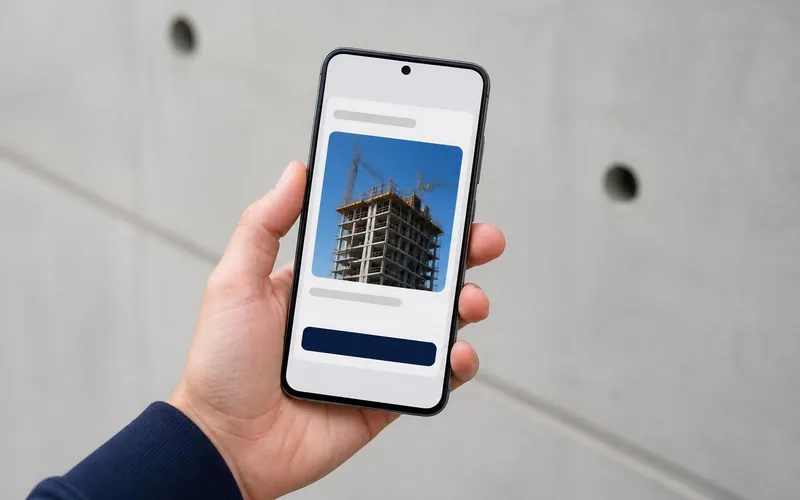
Photographs of the tower at each milestone, floor by floor. Buyers see work happening instead of hearing rumours on a residents' group.
Construction-linked demands
When a slab is cast, the demand goes out with the milestone photograph and a "View demand letter" button. Buyers pay against progress they can see.
Possession and handover
The handover slot, the documents to bring and how the snag inspection works, with the buyer choosing a slot by tap rather than by phone.
Choosing the channel
Should a developer use RCS or WhatsApp?
Use RCS for the first message to buyers in India on Android who have agreed to hear from you, and WhatsApp for long negotiations and buyers abroad; a mixed list runs both from one platform.
RCS lands in the default inbox with nothing to install, which suits a buyer who enquired minutes ago and agreed to be contacted. Google's RCS for Business Acceptable Use Policy allows messages only to people who have opted in to hear from you, so the first carousel goes only to enquiries that carry that consent. On Android RCS covers roughly 95% of handsets in India via Google Messages (sources in our RCS explainer), but iPhone support only arrived with iOS 18, and RCS senders are approved market by market, so a buyer abroad is usually easier to reach elsewhere.
WhatsApp suits the conversation that follows: documents, negotiation and NRI buyers in other time zones. How developers use the WhatsApp Business API, or see every channel for real estate.
Source: Google, RCS for Business Acceptable Use Policy, for messages only to users who have explicitly opted in.
Questions
Questions about RCS for real estate.
In real estate, RCS means RCS Business Messaging, the brand version of Rich Communication Services: developers and brokers sending property carousels, site-visit cards and construction updates under a verified business name, inside the buyer's default messaging app.
It replaces the plain text and pasted link that most property SMS still are. The standard is explained here.
Yes. Rich cards carry photographs, floor plans and short walkthrough clips, and a carousel shows several projects side by side.
Keep long virtual tours on your own site behind a "Watch the tour" button, so the card itself loads quickly.
Yes, whenever they promote a project. RERA treats them as advertisements, so each card needs the project's registration number and the state authority's website, plus anything your state adds, such as a QR code. The SMS fallback template needs the registration number and website as well.
Some will. Apple added RCS support in iOS 18, but iPhone reach is still partial, so many iPhone buyers receive the SMS fallback instead, with a whitelisted link in place of the buttons.
A fallback for a launch or offer card is a promotional SMS: it goes from a DLT-registered header on an approved template, and reaches non-DND numbers only, between 10 AM and 9 PM by default.
For a list that leans towards iPhone, pairing RCS with WhatsApp covers the gap.
Yes. A new lead in Salesforce, HubSpot or Zoho can trigger the first carousel, and each tap on a card is written back to that lead, so sales sees which project drew the interest.
A custom CRM does the same through our REST API. Setup notes are on the CRM integrations page.
Share your use case and brand assets, and we submit the business for Google's brand verification, the one step that waits on Google.
Sender profile, card design and the DLT-registered SMS fallback templates follow, and campaigns then go out from the dashboard or the API.
Put your next launch in a carousel.
Start with one project as a small paid pilot. Send us its brochure, and we will build the RCS card, the site-visit flow and the SMS fallback under your verified name, with the RERA details in place.